Types of Email Marketing: How to Design Effective Campaigns for Each Customer Phase
 Alicia Zunzunegui · 25 Feb, 2026 · Email marketing avanzado · 7 min
Do you feel like your email marketing campaigns are not delivering the results you expected? You’re not alone.
Many brands make the same mistake: they send emails without a clear strategy, without knowing if they are impacting at the right time or with the right message. The result: very low open rates, clicks that never come, and an increasingly cold subscriber list.
But here’s the good news: the problem is not email marketing itself, but how you are using it. Knowing the types of emails you can send, when to use them, and what objectives they pursue makes the difference between campaigns that sell and campaigns that end up in the trash.
In this article, you’ll discover the different types of emails you can (and should) include in your strategy, with best practices and recommendations for each. Get ready to design campaigns that not only get opened but also turn into revenue.
Why Do You Need to Know the Types of Email Marketing?
Email marketing remains one of the channels with the highest return on investment, but its success depends on sending the right type of email at the right time. Each subscriber is at a different stage of the buying process and expects to receive content aligned with their situation.
Sending the wrong email at the wrong time is not only ineffective, it can also damage the relationship with your audience. It’s essential to tailor messages to attract, convert, and retain naturally, without forcing the sale or overwhelming your contacts.
Inbound Email Marketing vs. Outbound Email Marketing
In general, we find two types of email marketing: inbound and outbound. Let’s take a closer look at them.
Inbound Email Marketing
Oriented towards people who have already shown interest in your brand, product, or service. Here is where you should focus on providing value, educating, resolving doubts, and accompanying the user in their decision-making process.
Common Inbound Email Types:
- Welcome
- Newsletters
- Lead nurturing
- Reactivation of inactive clients
- Transactional emails
We’ll see more examples below.
The main goal of inbound email marketing is to strengthen the relationship and guide the subscriber towards conversion.
Outbound Email Marketing
Aimed at cold audiences who do not know your brand. This type of strategy is used to capture new contacts and open conversations.
You need to know that it is more challenging to achieve results, so it requires a very careful approach and sending highly relevant emails.
The main goal of outbound email marketing is to generate initial interest and open the door to future interactions.
If you’re interested in this topic, here's an article where we talk about how to send cold emails.
Main Types of Marketing Emails: When and Why to Use Them
Welcome Emails: How to Start on the Right Foot
The first email after subscription is the one that achieves the highest open rate.
It makes a lot of sense as it sets the tone for the entire future relationship. It’s a key opportunity to reinforce the subscriber’s decision, set expectations, and generate the first interaction.
When to send it? Immediately after subscription.
What should it include?
- Thank you
- Inform about the frequency and type of content they will receive
- Include a clear and simple call to action
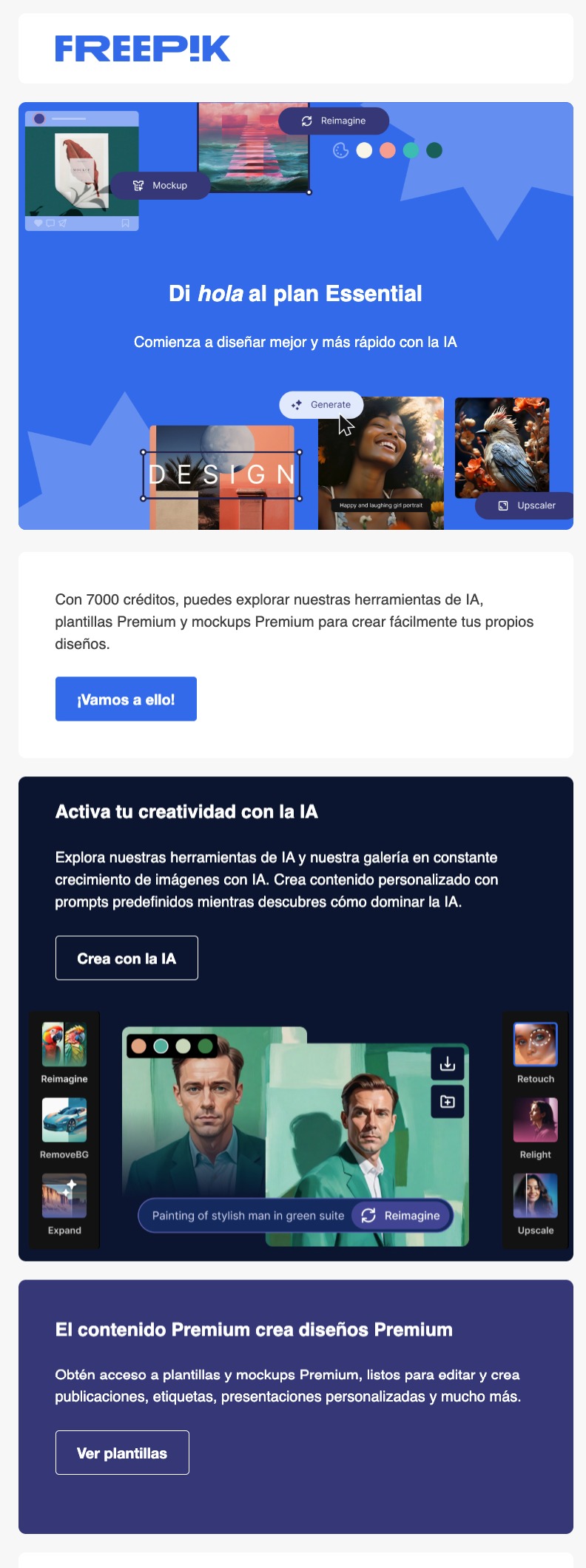
Check out Freepik’s welcome email. They give a lot of prominence to their star functionality and include CTAs for the user to make use of AI within the tool.
Common Mistakes:
- Not explaining the next steps
- Including too much information that overwhelms the reader
- Not initiating any interaction
Newsletters: Keep the Relationship Alive
Newsletters allow you to establish regular contact with your audience, strengthen your brand’s authority, and continuously provide value.
When to send them? Regularly and consistently, according to what you have communicated to the subscriber.
Here we talk more about how to choose the ideal frequency
What should they include?
- Offer relevant content and not just promotions about your services or products (for that, there are other types of campaigns)
- Maintain a clear and readable design
- Pay special attention to subjects to improve open rates
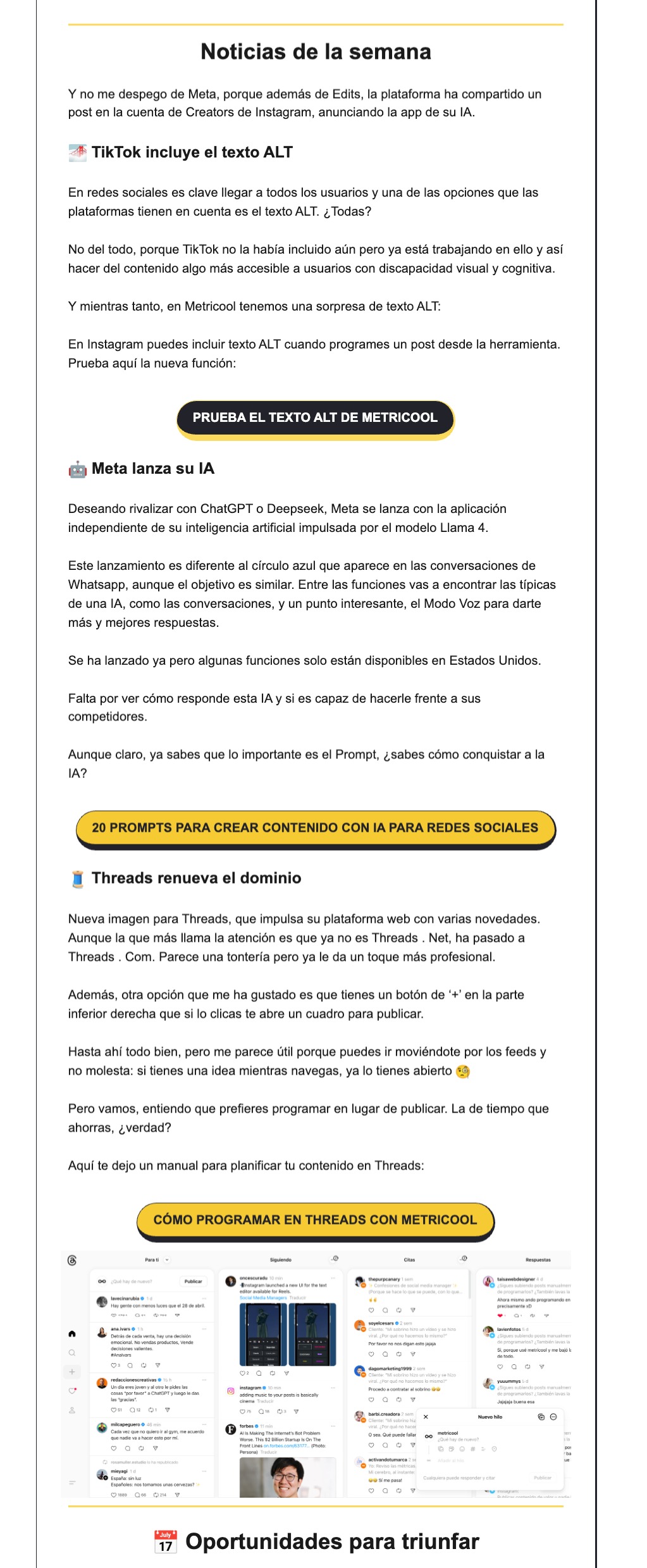
Here’s an example from the Metricool tool. Every week they send a newsletter with the latest in social media that their clients need to know.
Common Mistakes:
- Lack of periodicity
- Talking only about the brand without providing value to the subscriber
- Not segmenting sends according to interests
Promotional Emails: When to Sell and How Not to Sound Aggressive
These emails have a clear objective: to generate sales. However, they must be used strategically to avoid overwhelming the audience.
When to send them? At key moments, such as special promotions, launches, or seasonal campaigns.
Best Practices:
- Create a sense of urgency with limited offers
- Focus on the benefits of the product, not just its features
- Maintain a balance between promotions and valuable content
Common Mistakes You Can’t Make:
- Overloading the inbox with constant promotions
- Sending promotional emails to subscribers who are not yet ready to buy
Precisely, the next type of campaign is ideal for preparing your subscribers to become clients.
Lead Nurturing: Guide Your Client to Conversion
This type of email helps accompany the subscriber in their decision-making process, especially if they are not yet ready to buy.
When to send them? During the initial contact phases, after capturing the lead.
Here we talk more about how to apply lead nurturing in a digital strategy
Best Practices:
- Deliver educational and useful content, the first contact is not to sell
- Address common objections your future client may have
- Include soft calls to action to continue advancing in the funnel
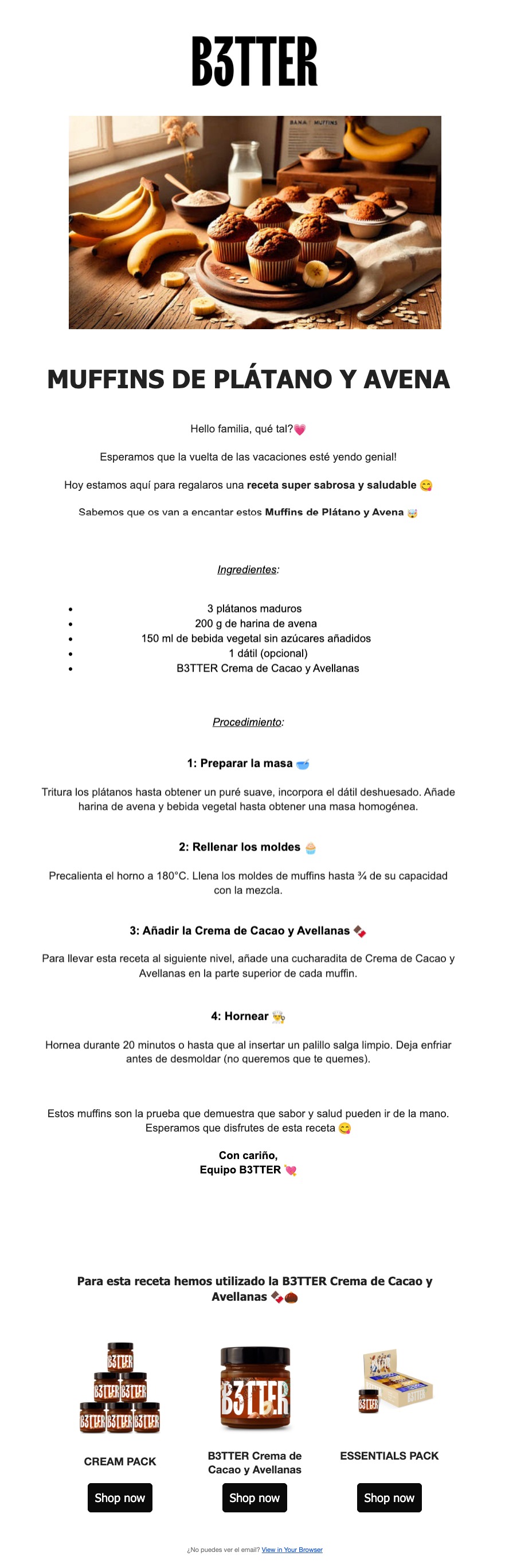
The B3TTER bar brand does this first contact very well with educational content. Check out this email example where they share a healthy banana and oat muffin recipe. They provide inspiration while integrating the use of their product.
Reactivation Emails: How to Recover Inactive Subscribers
Directed at subscribers who haven’t interacted with your emails for a while.
When to send them? After a defined period of inactivity (30, 60, or 90 days, for example).
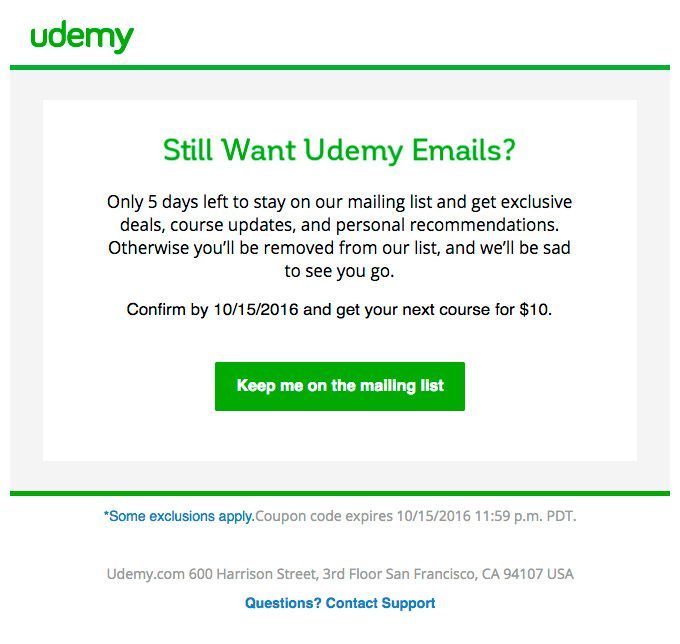
What to include in the email to be effective?
- Offer an incentive to re-engage the user
- Ask directly if they want to continue receiving your emails
- Make it easy to unsubscribe if they are no longer interested
In this article, we talk about best practices to reactivate inactive users
Common Mistakes Many Businesses Make:
- Not cleaning the contact list after several failed attempts
- Sending the same content that caused the inactivity
Feedback Emails: Actively Listen to Your Audience
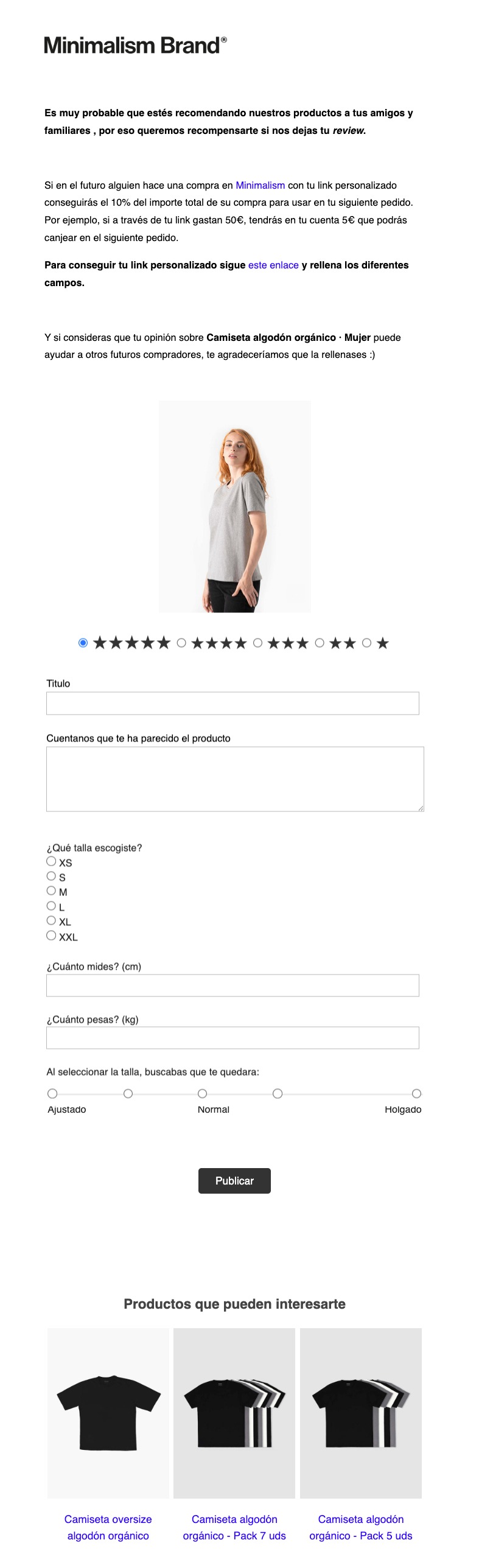
These types of campaigns allow you to know the opinion of your clients and improve your products or services.
When to send them? After a purchase, after delivering a service, or at key interaction moments.
Best Practices:
- Make surveys short and easy to complete
- Clearly explain what the results will be used for
- Offer some incentive, if possible
Abandoned Cart Emails: Recover Lost Sales
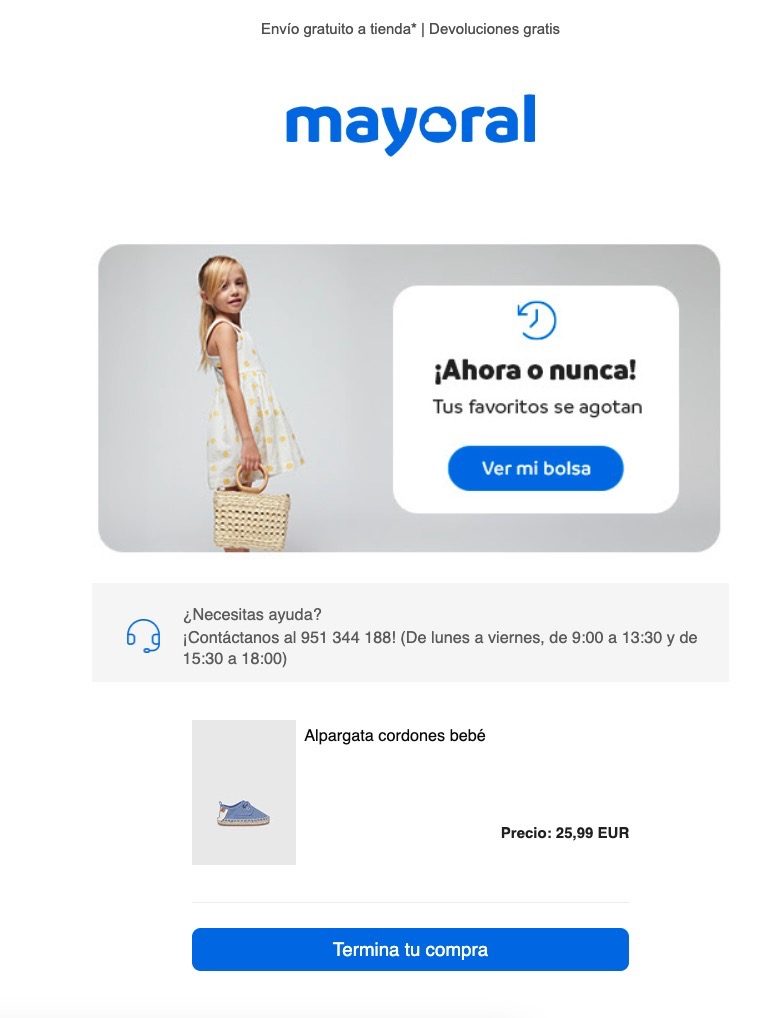
Essential for ecommerce. These emails help recover sales that were left unfinished.
When to send them? Within the first 24 to 48 hours after the cart is abandoned.
Best Practices:
- Visually remind forgotten products
- Offer an additional incentive if relevant
- Include a direct link to complete the purchase
Don’t Make These Two Mistakes
- Waiting too long to send the first reminder
- Not personalizing the content based on what the user left in the cart
Here are several examples of emails to recover abandoned carts
New Product Promotion Emails: Spark Interest and Novelty
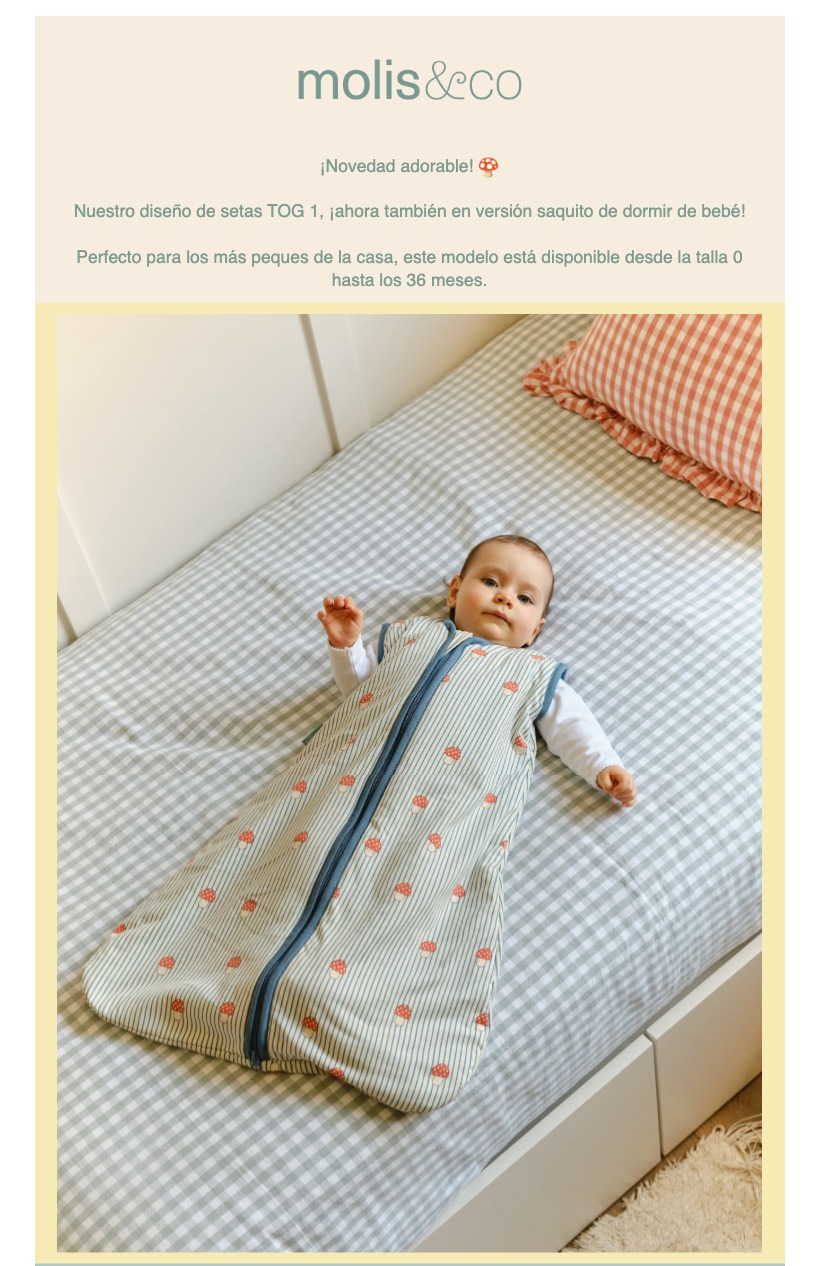
These campaigns are highly recommended to communicate launches or news that may interest your audience.
When to send them? Before the launch (to create anticipation) and right at the moment of availability.
Best Practices:
- Focus the message on the benefits of the new product
- Offer early access to the best clients
- Create pre-launch campaigns to generate interest
- Include images to show what it looks like
Emails on Special Dates: Take Advantage of Key Moments to Connect
These campaigns are perfect for taking advantage of the emotional charge of special moments like Christmas, Black Friday, Valentine’s Day, Father's Day, or other occasions.
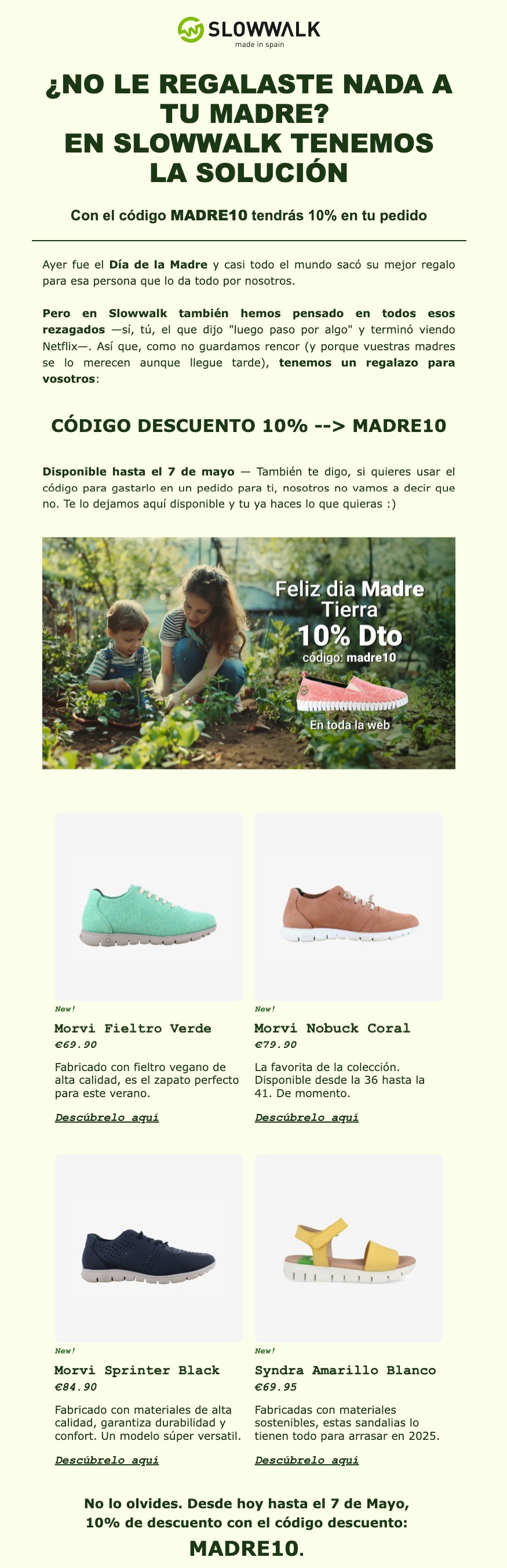
When to send them? Days before the special date and during the event itself.
Best Practices to Apply:
- Adapt the creativity and copy to the celebration in question
- Offer exclusive promotions or discounts
- Personalize messages to make them more relatable
Common Mistakes:
- Limiting to sending only promotional emails without providing valuable content
- Not planning campaigns for these dates in advance
To avoid the lack of planning, we recommend having a marketing calendar. It’s ideal to avoid missing opportunities to generate revenue with special campaigns.
Common Mistakes When Planning Email Marketing Campaigns and How to Avoid Them
Although I have mentioned the mistakes you should avoid for each type of email, it’s worth compiling them to avoid falling into them.
Lack of segmentation. Not all your subscribers are in the same phase or have the same interests.
Not personalizing messages. Generic emails reduce connection and effectiveness.
Overusing promotions. Too many offers generate rejection and unsubscribes.
Neglecting the subject lines. Without a good subject line, all the effort in the content will be in vain.
Here is a guide to writing good subject lines
Ignoring metrics. Not reviewing open rates, clicks, or conversions prevents optimizing future campaigns.
Conclusion
Email marketing is not about sending random emails. It is the most profitable tool you can have if used strategically, understanding when to send each type of message and with what purpose.
Each type of email has its moment and function within a well-thought-out marketing strategy. The key is to combine them intelligently to guide the subscriber from the moment they know you until they become a client… and, finally, an ambassador of your brand.
Review your current strategy. Are you using all these types of email marketing? Which one could you implement this week to improve your results?