Ethical Lead Generation: GDPR, UX, and Formats That Convert
 Yacarlí Carreño · 10 Jun, 2026 · Email Marketing · 5 min

Capture leads ethically with GDPR, UX, and formats that convert. Improve results without losing trust or data quality.
First things first:
Why talk about ethical lead generation today?
Capturing leads is no longer just about volume. It is, above all, a matter of trust.
In an environment where users are increasingly aware of the use of their data, ethical lead generation has become a differentiating factor. Not only for legal compliance (GDPR), but because it directly impacts the quality of contacts, conversion, and long-term brand relationship.
And here’s the key: it’s not about capturing more. It’s about capturing better.

Let’s go:
What is ethical lead generation? (and what it is NOT)
Ethical lead generation involves collecting personal data in a:
- Transparent
- Consented
- Informed
- Relevant
And, above all, aligned with user expectations.
It is not:
❌ Misleading forms❌ Pre-checked boxes❌ Unfulfilled promises❌ Use of data without context
It is:
✔ Clear consent✔ Real value in return✔ Smooth experience✔ Coherent communication
GDPR: the legal (and strategic) foundation
The General Data Protection Regulation (GDPR) is not just a legal obligation. It is a clear guide on how digital relationships should work.
According to GDPR:
- Consent must be explicit
- There must be a clear purpose
- The user can withdraw their consent at any time
Why does this improve your campaigns?
Because a lead that:
- knows what they will receive
- has agreed to receive it
- and trusts you
–> converts more and unsubscribes less
The relationship between ethics and performance
According to the State of Marketing report by Salesforce: more than 80% of customers say the experience is as important as the product.

Source: Unsplash
This includes:
- how you capture data
- how you communicate
- how you respect privacy
Translated to business: ethics impacts conversion.
UX in lead generation: where you really win or lose
You can have the best strategy in the world… but if the form is a disaster, you won’t convert.
User experience (UX) is key in ethical lead generation.
Common (and very avoidable) mistakes
- Long forms without context
- Unclear messages
- Intrusive pop-ups
- Lack of consistency between ad and landing
According to Google (Think with Google): 53% of users leave a page if it takes more than 3 seconds to load.
UX is not aesthetics. It’s conversion.

Source: Unsplash
Lead generation formats that work (and respect the user)
Let’s get to the point: what to use today to capture leads ethically and effectively.
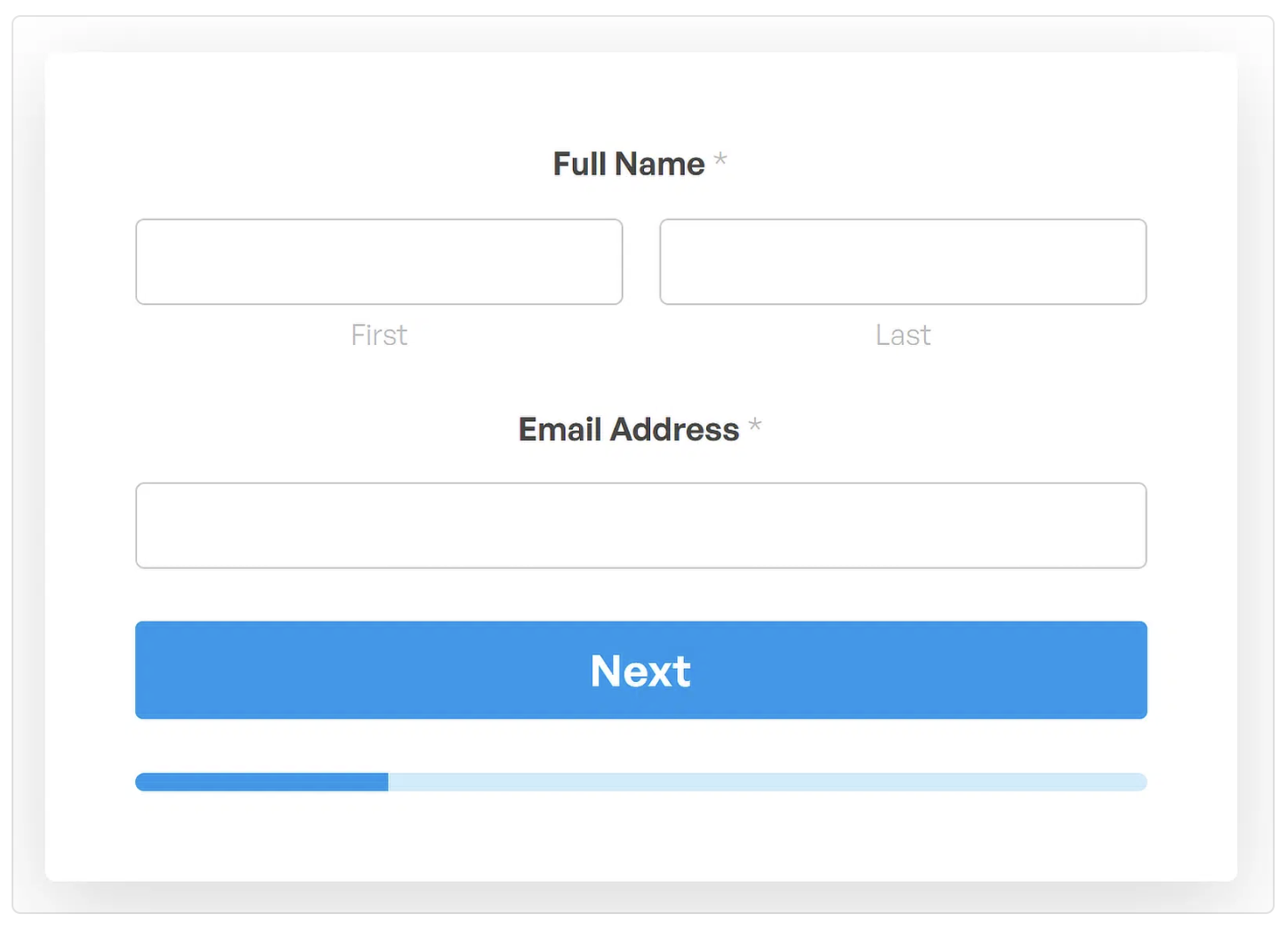
1. Progressive forms
Instead of asking for everything at once: ask for just enough in each interaction
Example:
- First contact → email
- Second → name
- Third → interests
Result:✔ Less friction✔ More conversions✔ More qualified data
2. Lead magnets with real value
The classic… but well done. Not just any PDF will do. It must be:
- useful
- specific
- actionable
Examples:
- Practical guides
- Checklists
- Templates
- Real cases
If it doesn’t provide real value, it won’t convert.
3. Interactive content
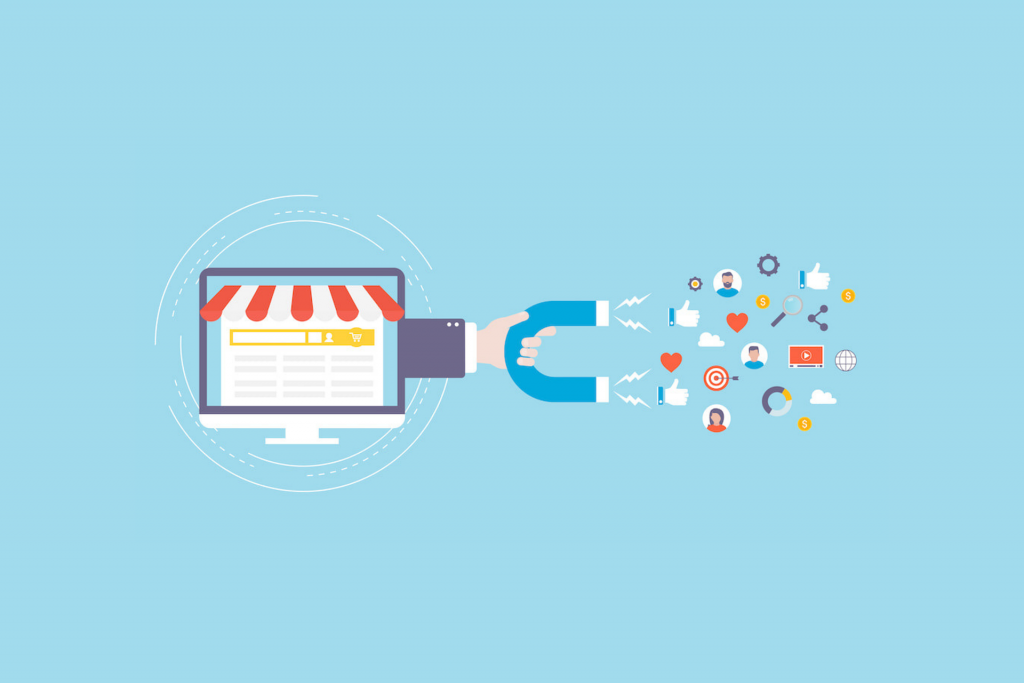
Surveys, quizzes, tests… Not only do they capture leads, they also generate data.
According to Statista: personalized and interactive content significantly improves user interaction.
As I always say: to get answers, you have to ask. Without fear.
4. Embedded forms (non-invasive)
Less aggressive pop-ups, more natural integration.
- In articles
- In downloadable resources
- On key pages

Source: Acumbamail
5. Context-based capture
The best time to ask for data is when it makes sense. Example:
- Article reading → related download
- Product → educational content
- Interaction → specific offer
This multiplies conversion.
Frequency and expectations: the big silent mistake
You capture well… but then you ruin it.
Again, according to Statista: one of the main reasons for unsubscribing is: receiving too many emails.
It’s not just about capturing well. It’s about delivering what you promise. And not overdoing it…
Real case: personalization that improves results
An interesting example is Sephora. According to Harvard Business Review: the brand has developed personalization strategies based on behavioral data, allowing them to send more relevant communications and improve interaction with their customers. (You’ve probably seen me reference this case before. I do it because it’s a key reference in data-based personalization, or at least within my radar. Although it may not seem like it, it’s not easy to find so many good examples of data-based personalization without being Amazon).
I won’t go on. Key to the case: they didn’t send more. They sent better.
How to apply this in your strategy (step by step)
Let’s get practical:
1. Audit your current lead generation
Ask yourself:
- What am I offering in exchange for the email?
- Is it really useful?
- Is the consent clear?
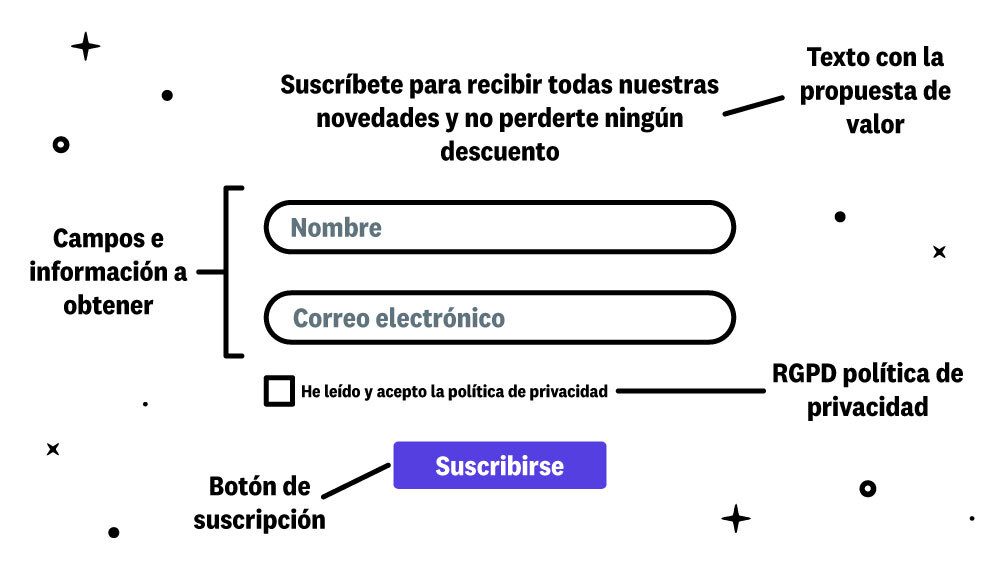
2. Simplify forms
Fewer fields → more conversions
Source: Acumbamail
3. Align expectation and content
If you promise value, deliver it. Always.
4. Work on segmentation from the start
Not all leads are the same. Treat them differently from the first moment.
5. Automate with logic (not just for the sake of it)
This is where Acumbamail comes in. You can manage all this from a single platform:
- Customized forms
- Segmentation
- Automations
- Results analysis
And also: our awesome blog, where you can delve into real strategies. You’re welcome.
Quick checklist for ethical lead generation
Before launching any campaign:
✔ Clear consent✔ Real value✔ Optimized UX✔ Fast loading time✔ Defined segmentation✔ Controlled frequency✔ Coherent message
Mistakes you must avoid (at all costs)
- Capturing leads without explaining why
- Buying databases
- Promising one thing and sending another
- Ignoring mobile experience
- Overwhelming the user
The mindset shift (what really matters)
Ethical lead generation is not a trend. It’s a structural change.
The easy way has always been to go for volume, and it’s the reason why email marketing once had a bad reputation. The smart way – and what has brought us back to the golden age of mailing as a digital marketing tool – is to work from two fundamental pillars: quality + trust.
Capturing better means converting better.
Ethical lead generation is the foundation of any email marketing strategy that truly works.
- Improves contact quality
- Reduces unsubscribes
- Increases conversion
- Strengthens the brand
You don’t need more leads. You need better leads.
Start by reviewing the basics. Optimize what you already have. And build from there.