Corporate Design: How to Create an Addictive Visual Identity
 Rocío Cortázar · 12 Feb, 2026 · Diseño Gráfico · 8 min

Corporate design is fundamental when it comes to establishing a strong and consistent identity. It will make your company stand out and be recognized in a specific market, building a solid and differentiated image.
Today we are going to cover everything related to this area of design, explaining what it is, why it is important, and how to implement it effectively.
What is corporate design?
Corporate design is the creation and management of all visual and graphic elements that represent a company in a coherent and distinctive way. It includes aspects such as the logo, colors, typography, graphics, and other elements that are part of brand communication.
The goal behind this is to create a cohesive image through all the actions the company executes, reflecting its personality, values, and mission, while establishing an emotional connection with its audience. This achieves a visual condensation of the company that makes it recognizable and distinguishable from other competitors.
Key components of corporate design
As we have already mentioned, corporate design permeates the company substantially and encompasses several elements that must work in harmony to create a cohesive brand identity.
Logo
Probably the most important element within corporate design, as it is the graphic representation of the company. Ideally, you should convey the company’s personality and characteristics through it; it must be unique, memorable, and it is essential that it adapts well to different formats and applications. A good example would be Nike’s iconic “swoosh,” which is simple yet powerful and adapts well to any platform.
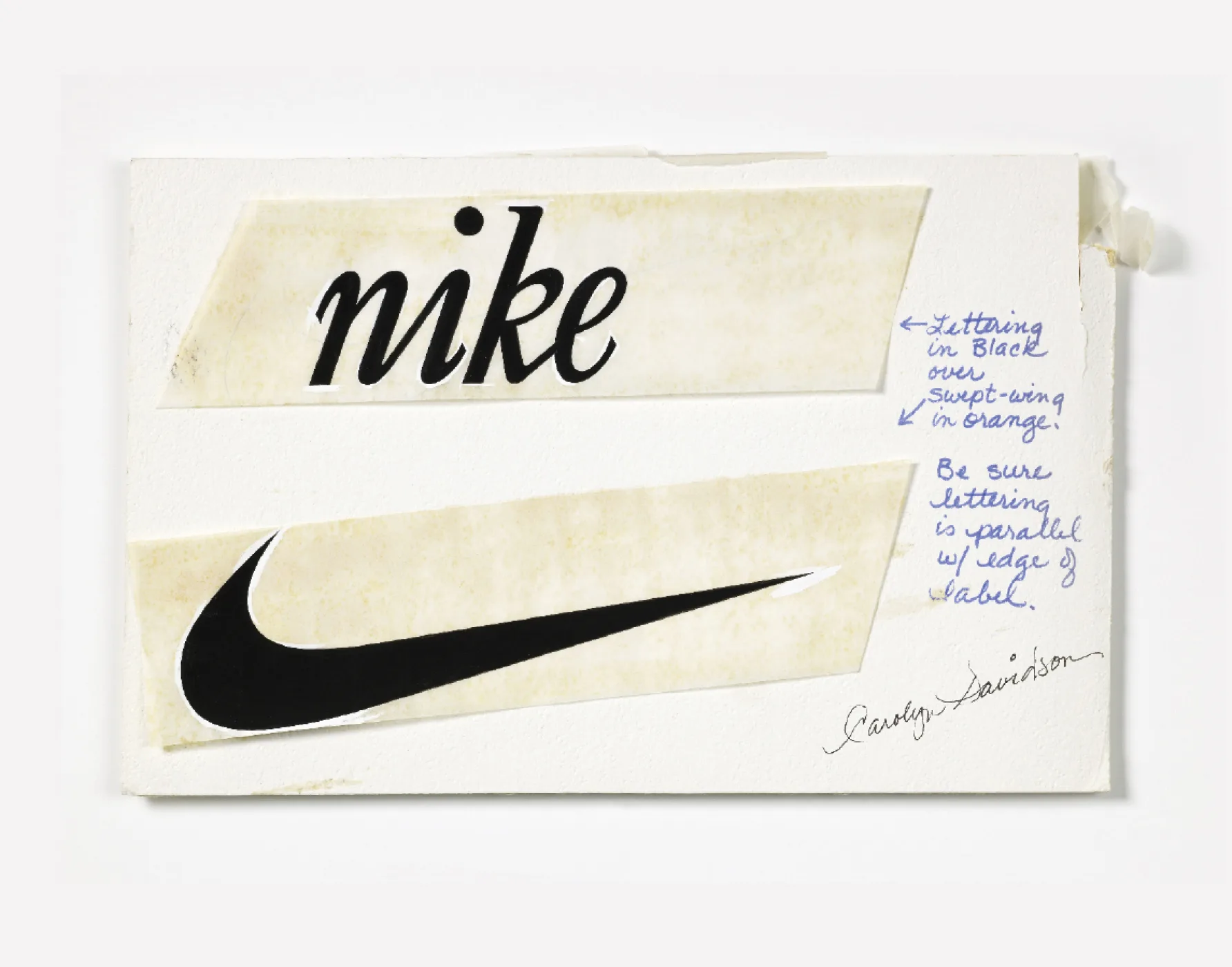
Here are 11 tips for designing a good logo.
Color Palette
We have already talked at length about the importance of color within a brand’s system and its ability to evoke emotions and establish psychological associations.
It is important to make a good selection of colors that align with what you wanted to convey with your logo and that you can rely on to convey the company’s message.
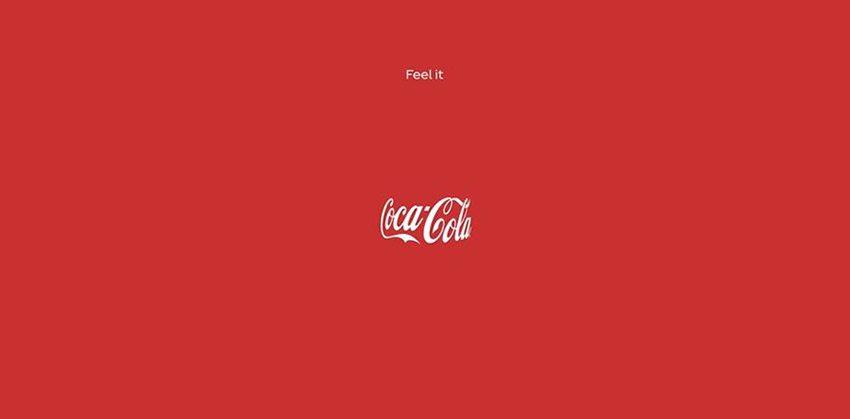
For example, Coca-Cola’s red and white evoke feelings of energy and positivity. When you think of Coca-Cola, you think of red.
Here are all our articles on color:
- Color Theory – Part I – The Meanings of Colors
- Color Theory – Part II – Basic Properties of Color
- Color Theory – Part III – Creating Color Schemes
Typography
Another key piece to convey your personality and probably one of the most overlooked.
Choosing a good typography is important for visual coherence; think of all the elements as pieces of a puzzle that must fit perfectly, you can’t miss any piece, nor can there be one that is too different from the rest or doesn’t fit.
Depending on the type of font you choose, you can convey modernity, strength, friendliness, elegance, mystery, innovation…

And of course, we must not forget one of the most important things: above all, it must have good legality.
If you want to know more about the topic, here is our article on typography here.
Imagery
This element is the set of images that represent the company, such as photographs and graphics. It is essential that they are carefully selected to reflect the organization’s message. For example, you should define whether to use illustrations, infographics, graphics, what style of photos, among other aspects.
For example, Apple presents its products in minimalist and elegant settings, reinforcing its brand identity as innovative and sophisticated.
Visual Style
This part emphasizes how the visual elements of graphic design are applied, ensuring consistent use of the shapes, lines, and styles characteristic of the brand.
If these elements are used appropriately, we will contribute to visual coherence and instant brand identification.
Corporate Stationery
More traditional companies need to have good corporate stationery. This would include elements such as letter paper of different sizes, envelopes of different sizes, business cards, invoices, quotes, notebooks, office paper… basically any documentation or digital or physical deliverable made for internal company consumption or for other people or companies.
Website
This digital environment is likely to be the place where there is the most information about your company (vision, mission, values, history, team…). It is essential that everything you say about your company is reflected in the website’s aesthetics as well, that there is harmony and coherence between what your customers read and what they see. Also, do not neglect the user experience when using your website, especially if there are purchase processes involved, as if your page is not intuitive, easy, and pleasant to use, you will lose sales.

Social Media
Your social media profiles like Facebook, Twitter, Instagram, or any other, are another showcase that you should use to attract customers, so they should function as an extension of your identity. Additionally, different media are used on these platforms: texts, images, videos…, so in these environments, you must make conscious use of images and tone of voice, and ensure they align with the brand as much as possible.
Product Packaging
Good design in your product’s packaging can make the difference between making a sale or not. It should be eye-catching and original, to stand out from the rest, without losing sight of the product’s functionality, but above all, it must perfectly integrate the essence of the brand and implement all the elements that define it visually.

Why is corporate design important?
Helps differentiate in the market
This distinctive corporate visual identity we are talking about is what will allow your company to differentiate itself from the rest; the more it manages to stand out from the competition, the better, as it will be more memorable. This is important because, although consumers make many of their decisions based on logic and what they consider the best option, many others are simply guided by aesthetics and what the brand conveys to them.
Consistency in communication
As all brand materials follow the same guidelines, from the website to printer paper, we make the experience with the company uniform, fluid, and recognizable regardless of the contact they have with it.
Contributes to user experience
The user experience, although usually linked to digital environments, is an aspect that occurs every time any person interacts with a product or service. Any action will generate a user experience, and the better that interaction is, the greater retention and satisfaction we will achieve.
Achieves a visual identity
Corporate visual identity allows for a distinctive, clear, and recognizable image for the company. All the elements already mentioned together form a unique visual representation that will facilitate being remembered and identified by clients, establishing emotional connections with them.
Communicates brand values and personality
Having good corporate design will greatly facilitate the communication of the company’s messages. Choosing the right visual elements with the appropriate aesthetics will “lubricate” the communication you make, as they will communicate underlying messages about the organization’s culture and fundamental principles. The message will be much more powerful and cohesive and will have a greater impact on the consumer.
For example, a person with a very specific lifestyle, such as veganism, will buy brands that align more with that type of thinking.
Fosters customer loyalty
If we have a strong, consistent, and recognizable brand, we will foster customer loyalty, as consumers will trust brands with these characteristics more, as each purchase experience is positive.
Influences purchasing decisions
As we have already said, the consumer, when buying, will always try to make the best choice regarding their needs, in an informed and objective manner. But when undecided between two or more options, the aesthetic part and product design will play a fundamental role, as they will be guided by subjective perceptions.
Facilitates brand recall
All this will help make the recall of our brand in the consumer’s mind much more lasting and impactful. It is important to have good brand image positioning in the consumer, so we will ensure that our client thinks of our company every time they need the product or service category we offer.
Generates trust and credibility
Inconsistent design can give the impression of disorganization and lack of professionalism, so maintaining cohesion and taking care of the quality of our image will be a crucial point to build this trust and credibility relationship between the consumer and the company or product.
Steps for good corporate design
1. Research and analysis
First, we must start by conducting thorough research to fully understand our company, its market, its audience, and of course, the competition. It will also be useful to analyze if our sector follows any specific design trends and evaluate whether it is worth following that established strategy or exploring other approaches that may differentiate us. This is probably the most important part of the process, as the information gathered at this time will determine many of the decisions made in the process.
2. Definition of objectives
Based on your research results, define the brand identity, that is, the mission, vision, values, personality… of the company. It is important to have these elements clear and always present, as it is essential that they are conveyed through the company’s image. If what you say you are does not match what you do, then we have a problem.
It may also be useful to try to summarize in a few words or a phrase the main message you want to convey through your company’s image, and make sure these words are present throughout the process, so as not to lose focus.
3. Development and creation
And now is when we can finally start working on the components of our corporate design, such as the logo, corporate colors, and typography.
Ideally, you should provide the designers in charge of the project with all the information from the previous steps. The clearer they have your vision, the better they can carry it out; you must give concise instructions and explain in detail what you want and don’t want, it’s not enough to say “I want a logo, I sell shoes.” If the designer has a holistic view of the project, they can ensure that all the materials they create are aligned with the company’s reality.
It is common to explore different concepts and refine them until reaching a result that meets the objectives we had set. And although aesthetics is what receives the most attention in this section, let’s not forget that designs must be versatile and functional.
4. Testing, feedback and iterations
It is advisable to conduct tests and gather feedback before fully implementing the design; perhaps a couple more iterations can further improve the final product. For this, you can include opinions from stakeholders, focus groups, or usability tests.
5. Creation of guidelines
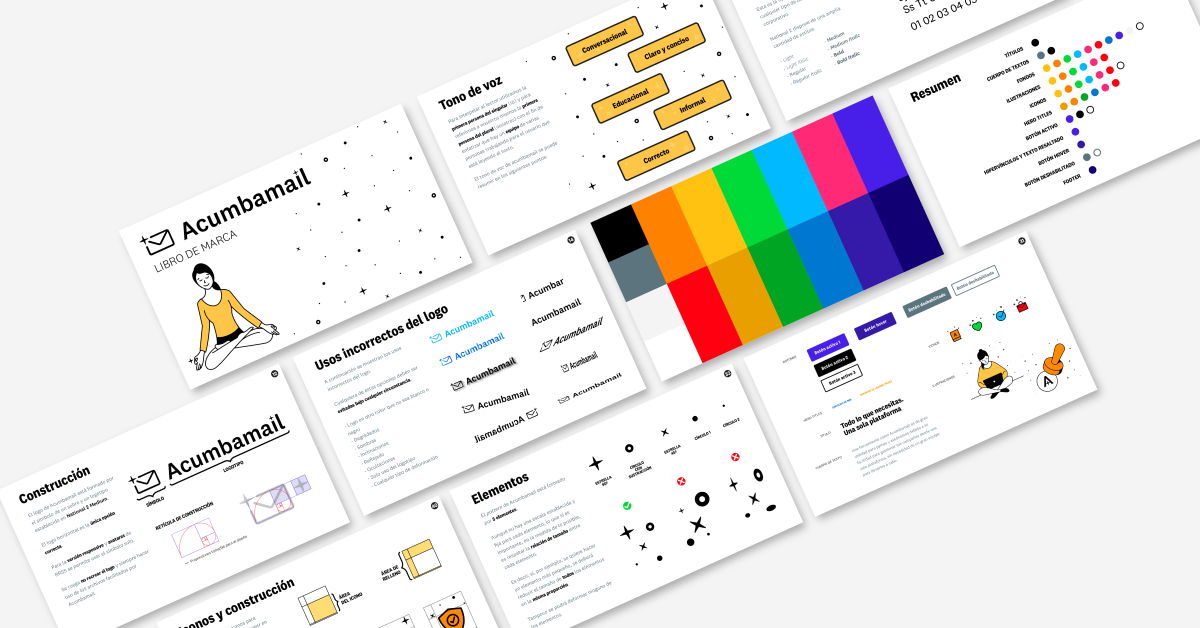
Once we have the final design, we must establish clear guidelines on how to use all these elements. This document is known as a Brand Manual or Corporate Visual Identity Manual, and it is highly recommended to have one. The manual will make it possible for anyone outside the entity who needs to use any brand element to know how to do it correctly without negatively impacting the image you have worked so hard to achieve.
If you want to know more about this topic, here is our article Brand or Visual Identity Manual: Do You Need One? for you to check out.
6. Launch
Now it’s time to implement the elements at all customer touchpoints, whether online or offline.
But don’t be mistaken, this doesn’t mean that once implemented, you can relax and forget about this topic; it is important to monitor and update the design as necessary over time to maintain relevance and coherence.
7. Communication
It is important that all members who are part of the company understand and adopt the identity. This will help ensure that the implementation is homogeneous, coherent, and that everyone involved is aligned with the brand’s values and message.
As you can see, corporate design is much more than “pretty things”; it is a powerful tool that can significantly influence a company’s success. Although it can be challenging and require considerable investment, the long-term benefits are noticeable.