What is the Best Tool for Webinars? The 10 Platforms You Should Know
 Alicia Zunzunegui · 26 Feb, 2026 · Marketing Online · 6 min

Webinars have become one of the most powerful tools for marketing, education, and business communication. The great value of webinar tools is that they allow you to interact with your audience in real-time, offer relevant content, and build trust with potential clients.
However, with the vast number of options available, choosing the right platform can be complicated. Not all tools offer the same functionalities nor do they cater to the same needs.
In this article, we analyze the 10 best webinar platforms according to their popularity, highlighting their advantages and disadvantages to help you choose the one that best suits your needs.
Key Factors for Selecting a Webinar Platform
Before choosing a tool, it is essential to consider certain aspects to ensure that it fits your needs and optimizes the user experience.
Ease of Use and User Experience
A platform should be intuitive and easy to set up, without the need for advanced technical knowledge.
The interface should be clear, allowing hosts to manage live sessions without complications. Additionally, having agile technical support and accessible documentation can make a difference in usability.
Integrated Functionalities
It is important that the platform offers tools such as surveys, live chat, recording, and branding customization.
Other useful features include screen sharing, slide or video integration, and the option to automate reminder and follow-up emails to enhance audience engagement.
Scalability and Audience Capacity
Depending on the size of your audience, you will need a platform that accommodates from small groups to thousands of attendees.
It is crucial that the tool supports live events without interruptions and can adapt to your audience’s growth with options for plan upgrades or feature customization according to the number of attendees.
Integrations with External Tools
The best platforms allow integration with CRMs, email marketing tools, and automation.
Connections with solutions like HubSpot, Salesforce, or Google Calendar facilitate contact management, event scheduling, and webinar performance analysis, maximizing their impact on marketing and sales strategies.
Pricing Model
Prices vary considerably depending on the functionalities offered.
Some have free plans with limitations on the number of attendees or event duration, while others require premium subscriptions with advanced options.
It is important to evaluate the return on investment based on the features you really need to avoid paying for tools that won’t be used.
The 10 Best Tools for Webinars
Let’s see which are the 10 most popular platforms available so you can assess which one best suits your needs.
1. Zoom Webinars
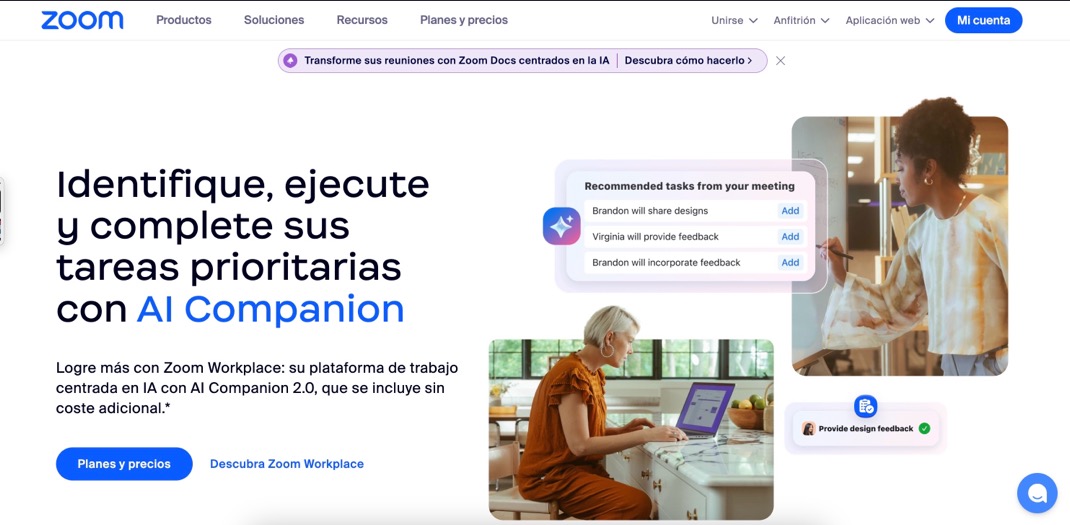
Zoom is one of the most popular video conferencing platforms, and its webinar solution is a reliable extension for live events.
It is ideal for companies of all sizes looking for a stable solution with a smooth experience for attendees. It is also widely used by educational institutions and large corporations for internal and external events.
Since the COVID pandemic, Zoom has become the most well-known platform among users, which is an advantage.
Pros:
- Easy to use and widely known by users
- High-quality streaming and cloud recording
- Integrations with popular tools like HubSpot and Salesforce
Cons:
- Can be costly for large audiences
- Limited customization in user experience
Price: Free basic plan up to 40 minutes of meeting. PRO plan from €12.49 /month.
2. WebinarJam
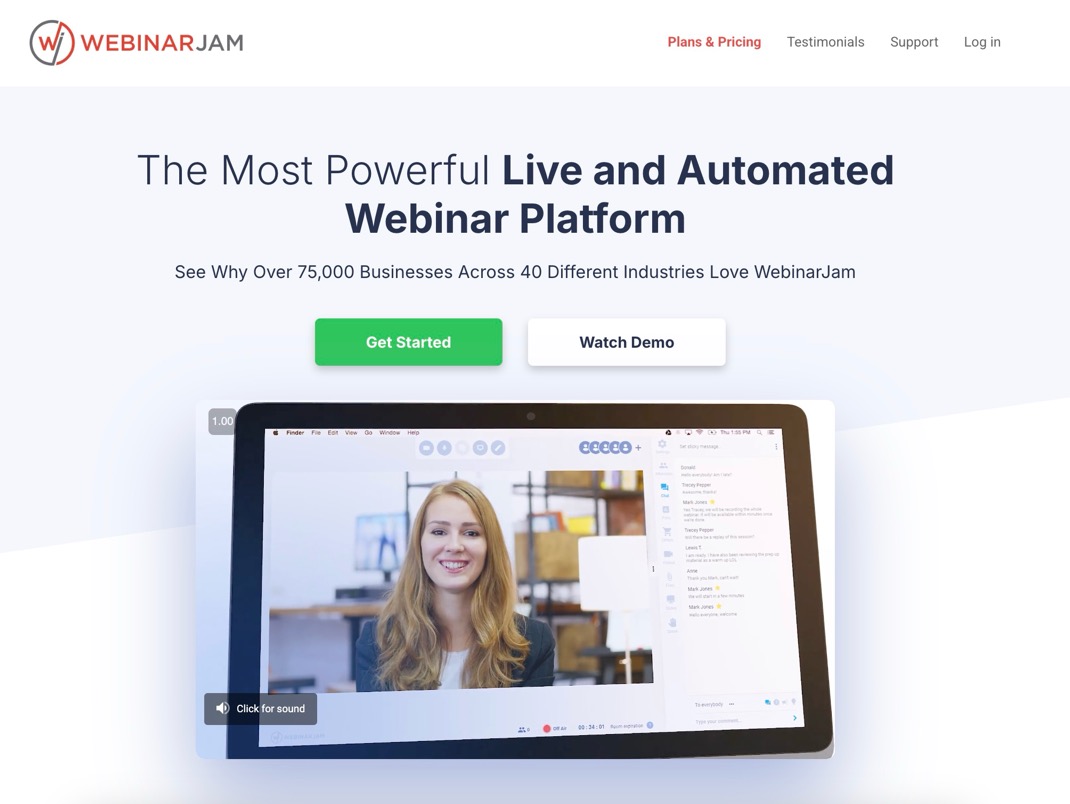
This tool is specifically designed for webinars. WebinarJam allows high interactivity with surveys, live chat, and event automation.
It is an ideal platform for entrepreneurs, coaches, info-product creators, and digital marketing professionals looking for a solution that maximizes interaction with their audience and facilitates the sale of products or services live.
Pros:
- High-definition streaming
- Automatic replay of recorded webinars
- Integrations with marketing tools
Cons:
- The interface can be overwhelming for new users
- Requires a stable internet connection to avoid interruptions
Price: From $39/ month up to 100 attendees.
3. Demio
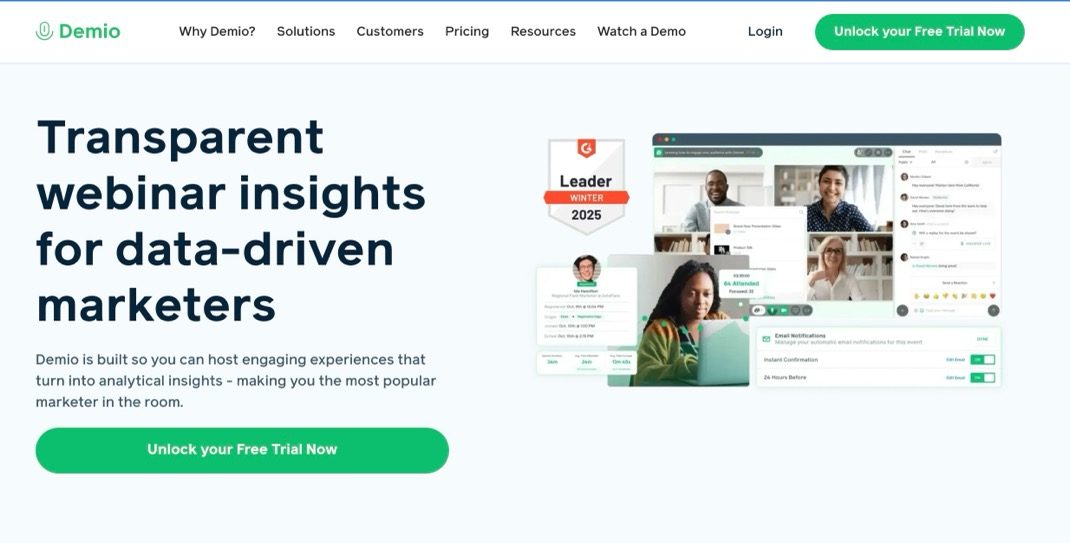
Demio is a modern and easy-to-use tool focused on live interaction and webinar automation.
It is specially designed for marketing teams and SaaS companies looking to capture and nurture leads through well-structured live events with an attractive user experience.
Pros:
- No downloads or installations required
- Focused on marketing and lead capture
- Advanced branding customization
Cons:
- Somewhat high-priced plans if you have many attendees
- Some advanced features require a premium subscription
Price: From $45 / month up to 50 attendees.
4. GoToWebinar
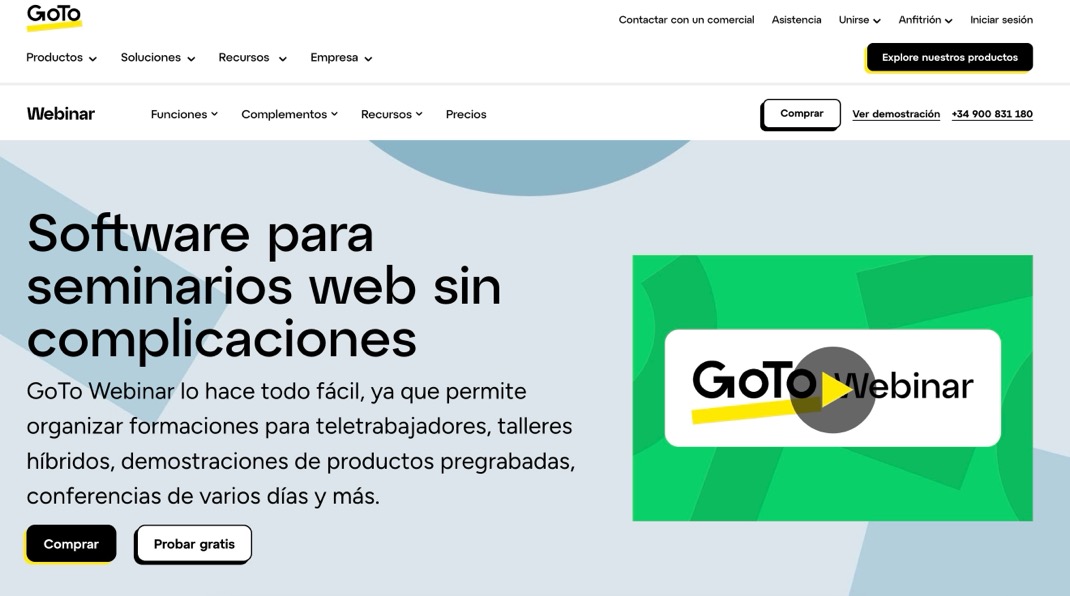
GoTo Webinar is one of the oldest and most reliable platforms for professional webinars.
It is the preferred option for large companies and organizations that require stability, advanced analytics tools, and support for large-scale events, such as conferences, training seminars, and corporate meetings.
Pros:
- Reliability and stability in streaming
- Detailed analytics features
- Ideal for large companies and corporate events
Cons:
- Less modern design compared to other platforms
- Not the best option for small entrepreneurs due to its price
Price: Lite plan from €44 / month up to 250 attendees.
5. ClickMeeting
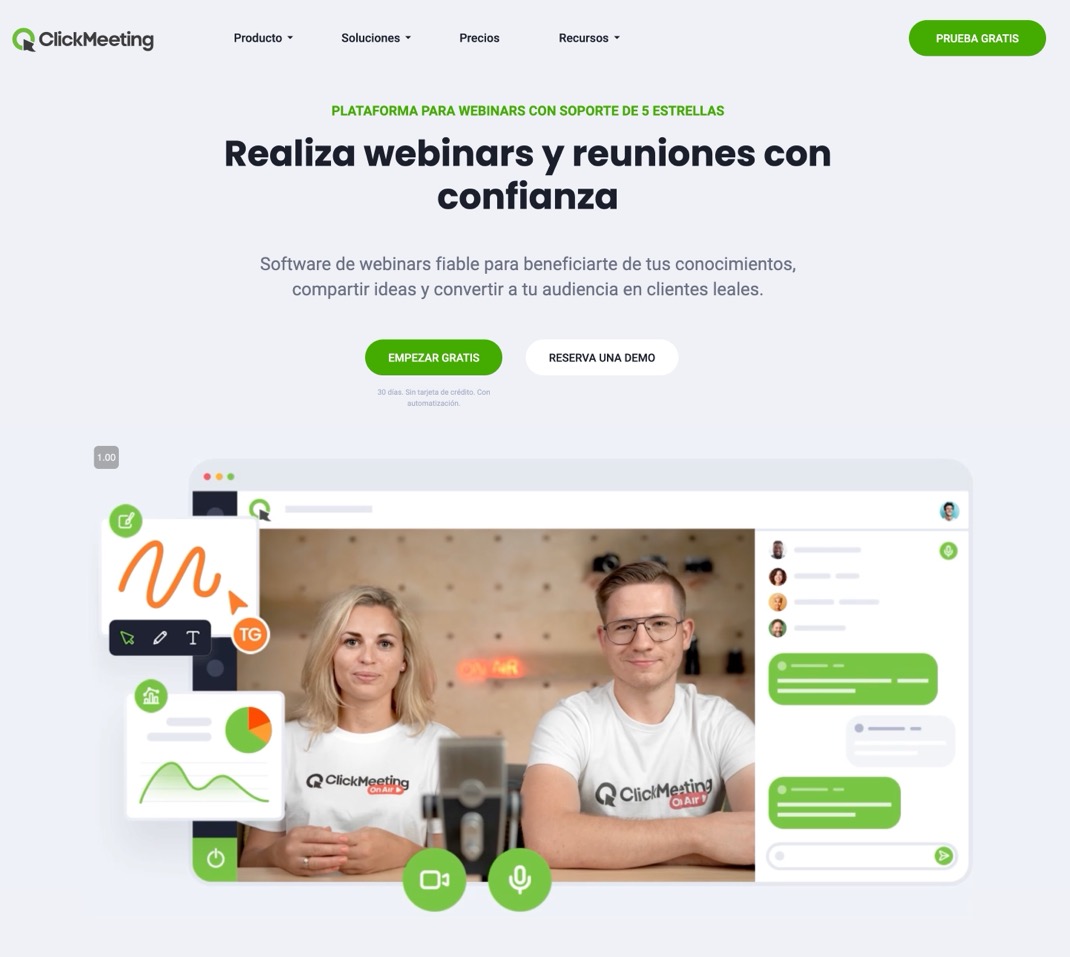
Platform that combines webinars and video calls with customization tools.
ClickMeeting is ideal for small and medium-sized businesses that need flexibility in managing online events, offering advanced customization features and interactive tools to capture the audience’s attention.
Pros:
- Good value for money
- Allows personalized branding in events
- Offers automation of recorded webinars
- Allows creating paid webinars
Cons:
- Can be somewhat complex for beginner users
- Some advanced features require premium plans
Price: 30-day free trial. Live plan from €23 / month for 25 attendees.
6. Livestorm
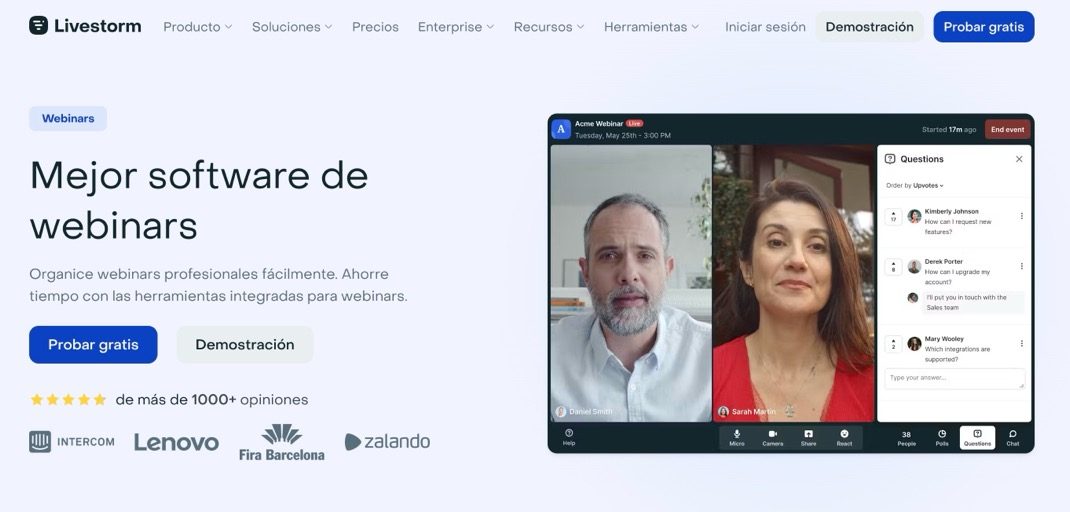
Livestorm is a browser-based platform that facilitates conducting webinars without the need for downloads. It focuses on event automation and offers advanced analytics tools.
It is ideal for tech companies, SaaS, and startups looking to optimize lead conversion through well-structured online events.
Pros:
- No installation or downloads required
- Advanced automation and lead tracking features
- Compatible with multiple browsers and devices
Cons:
- High-priced plans for large audiences
- Limited event customization compared to other tools
Price: From €79 / month up to 100 attendees.
7. EasyWebinar

EasyWebinar allows conducting live and automated webinars, offering a hybrid solution ideal for digital businesses looking to scale their sales and marketing strategy.
It is mainly used by marketers, content creators, and companies that want to automate their conversion funnel through webinars.
Pros:
- Allows live and automated webinars
- Integrations with marketing tools
- High-quality streaming
Cons:
- The learning curve can be steep for new users
- Limited customization in basic plans
Price: Free plan up to 10 live attendees. Standard plan from $80 / month up to 100 live attendees.
8. MyOwnConference
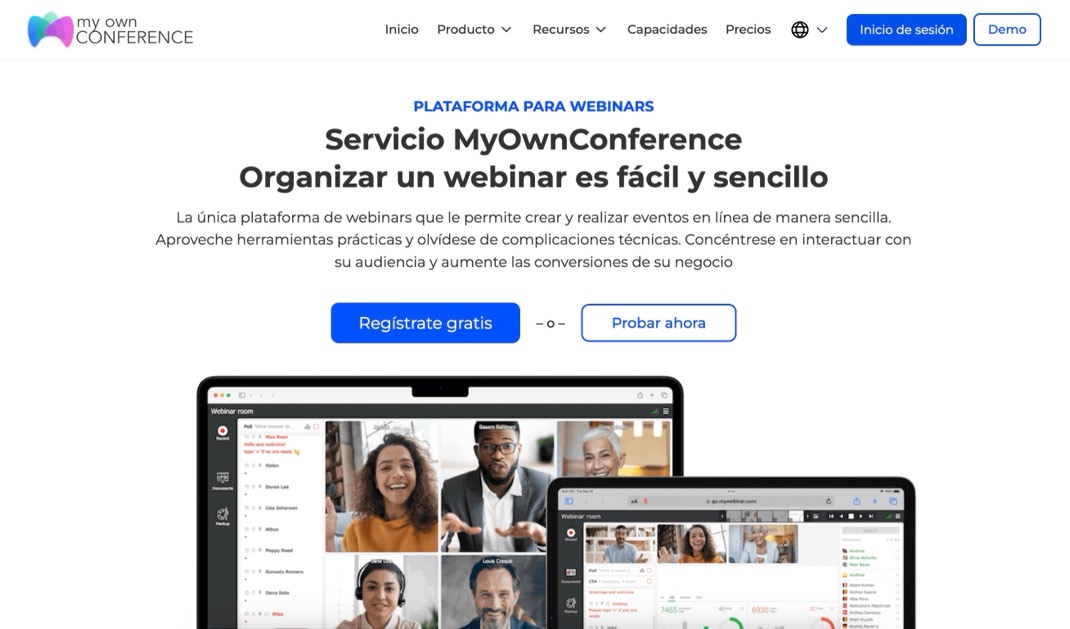
MyOwnConference stands out for offering unlimited cloud storage and the ability to host up to 10,000 attendees in live events.
It is an excellent option for companies that require stability and reliability in streaming large-scale webinars.
Pros:
- Unlimited cloud storage
- Supports a large number of attendees without affecting quality
- Highly secure platform with data encryption
Cons:
- Somewhat outdated interface compared to other platforms
- Some advanced features are only available in premium plans
Price: Free up to 20 attendees. From $28 / month up to 30 attendees.
9. BigMarker
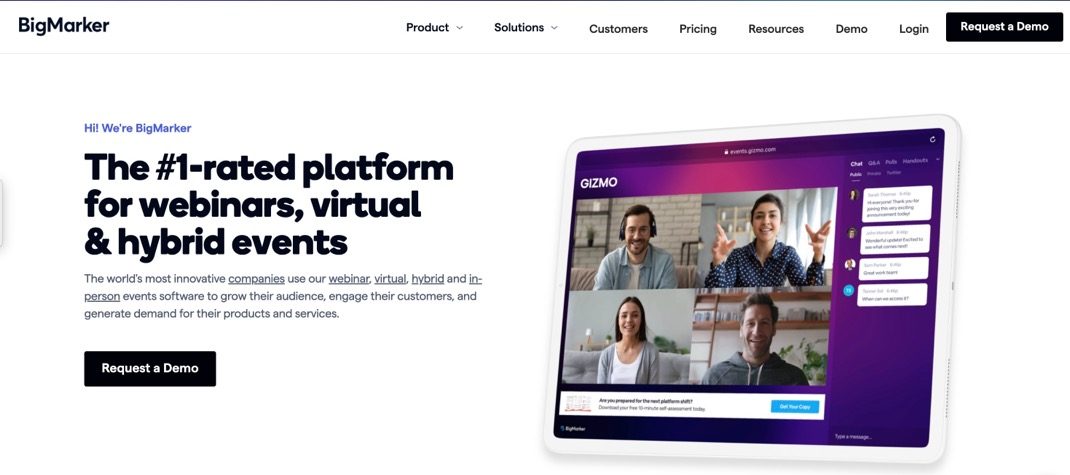
BigMarker is a robust platform that integrates with multiple tools and allows creating interactive virtual events.
Its focus on customization makes it ideal for companies looking for highly customizable webinars with corporate branding.
Pros:
- Highly customizable with advanced branding options
- Integrations with CRM, automation tools, and social media
- Advanced engagement features like polls and networking sessions
Cons:
- More expensive platform compared to other options
- Requires advanced setup to fully leverage its features
Price: Pricing available upon request.
10. YouTube Live
YouTube Live is a free and widely accessible option for streaming live webinars.
Being integrated into YouTube, it allows great visibility and easy access for viewers.
It is ideal for content creators, educators, companies looking to maximize their reach, and brands that want to leverage monetization and audience segmentation within Google’s platform.
Pros:
- Free and unlimited viewers
- Integration with Google’s ecosystem and easy access from any device
- Monetization options like super chats and memberships
- Automatically stores webinars as videos on YouTube
Cons:
- Fewer interactive features compared to specialized platforms
- Does not offer advanced automation options for sales funnels
- Dependence on YouTube’s algorithm and terms of service
Price: Free.
How to Choose the Best Tool for You?
Choosing the best platform for webinars depends on several factors. Mainly:
- The number of attendees
- The level of interactivity you want to offer
- Your budget
For entrepreneurs or small businesses, Demio and WebinarJam are versatile options with a focus on marketing. If you are looking for stability and robustness for business events, GoToWebinar and Zoom Webinars are reliable alternatives. For those who need branding and customization options, ClickMeeting and BigMarker may be ideal.
In short, each platform has its advantages and disadvantages, so it is important to evaluate your needs before making a decision.
Explore these platforms and choose the one that best suits your next webinar.