Blog Day: the best menu is useless if no one serves it
 Lucía Pérez · 03 Sep, 2026 · Digital Marketing · 7 min
Every August 31st the same thing happens: someone remembers that Blog Day exists, writes a post about how nice it is to have a blog, and the next day we all forget again why we were celebrating it. This year, let’s skip that part. No more “the blog is still alive” as if it were news. Let’s talk about the real mess anyone writing content for the internet is in right now.
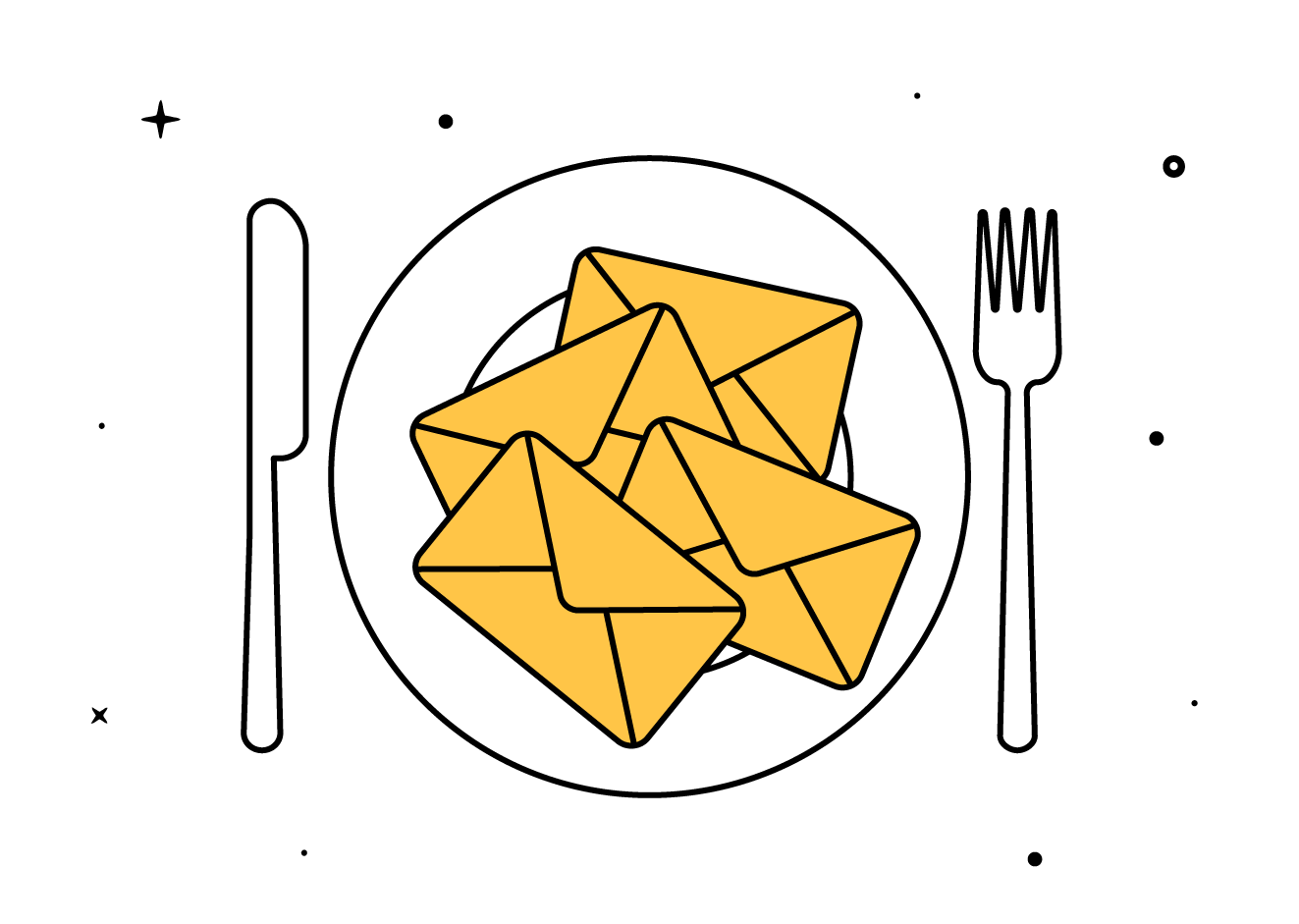
Imagine this: you’ve spent weeks perfecting a dish. You tweak the seasoning a thousand times, plate it with care, even add a sprig of something green on top to make it look nice. And just when it’s ready to go out, the waiter has fallen asleep and no one in the dining room knows that dish exists. That’s more or less what’s happening to a lot of blogs in 2026: content has never been so well-crafted, yet it reaches fewer and fewer people.
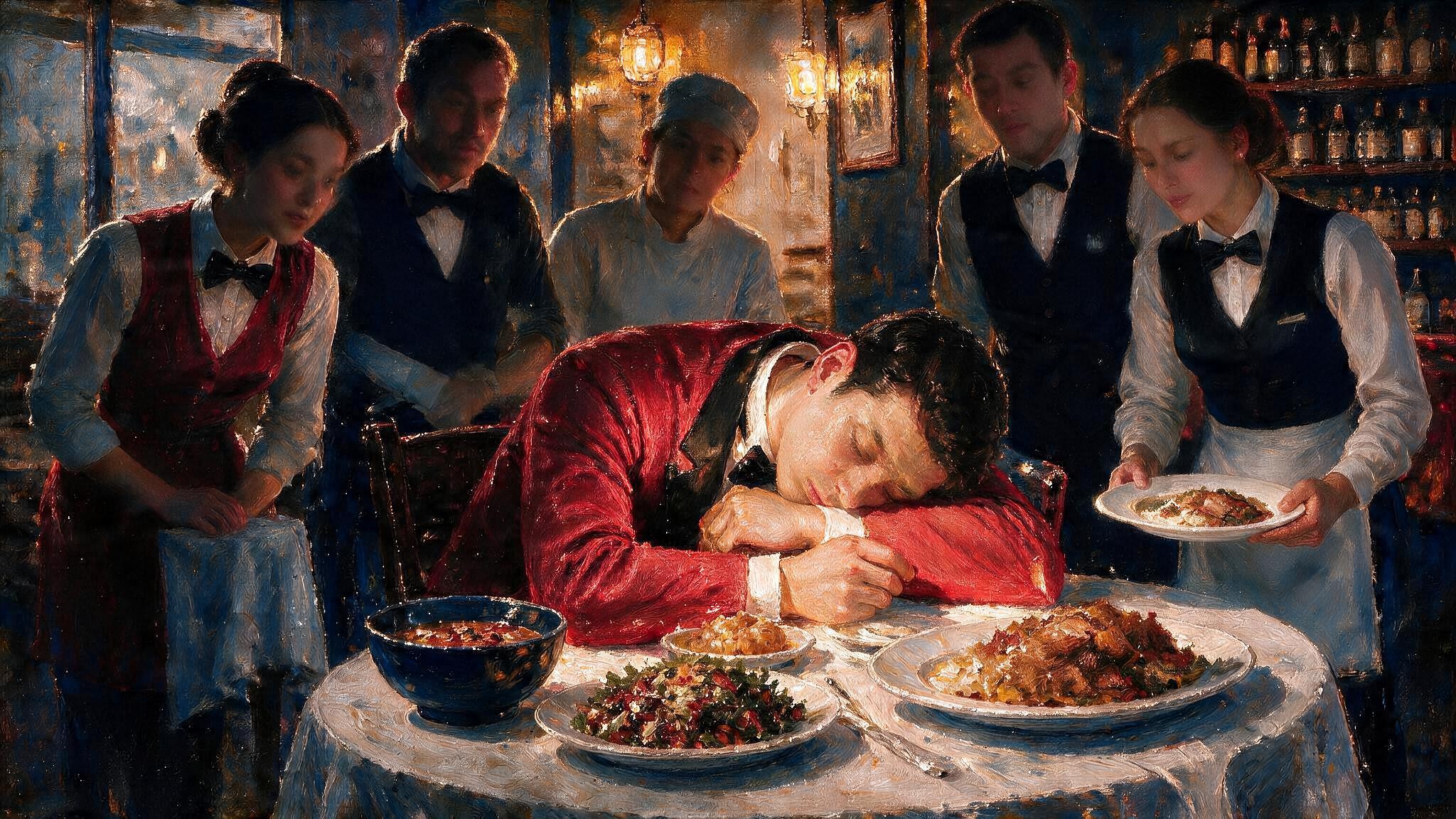
AI-generated visual with Magnific as part of the creative content development.
The problem isn’t that you write poorly. It’s that almost no one clicks anymore
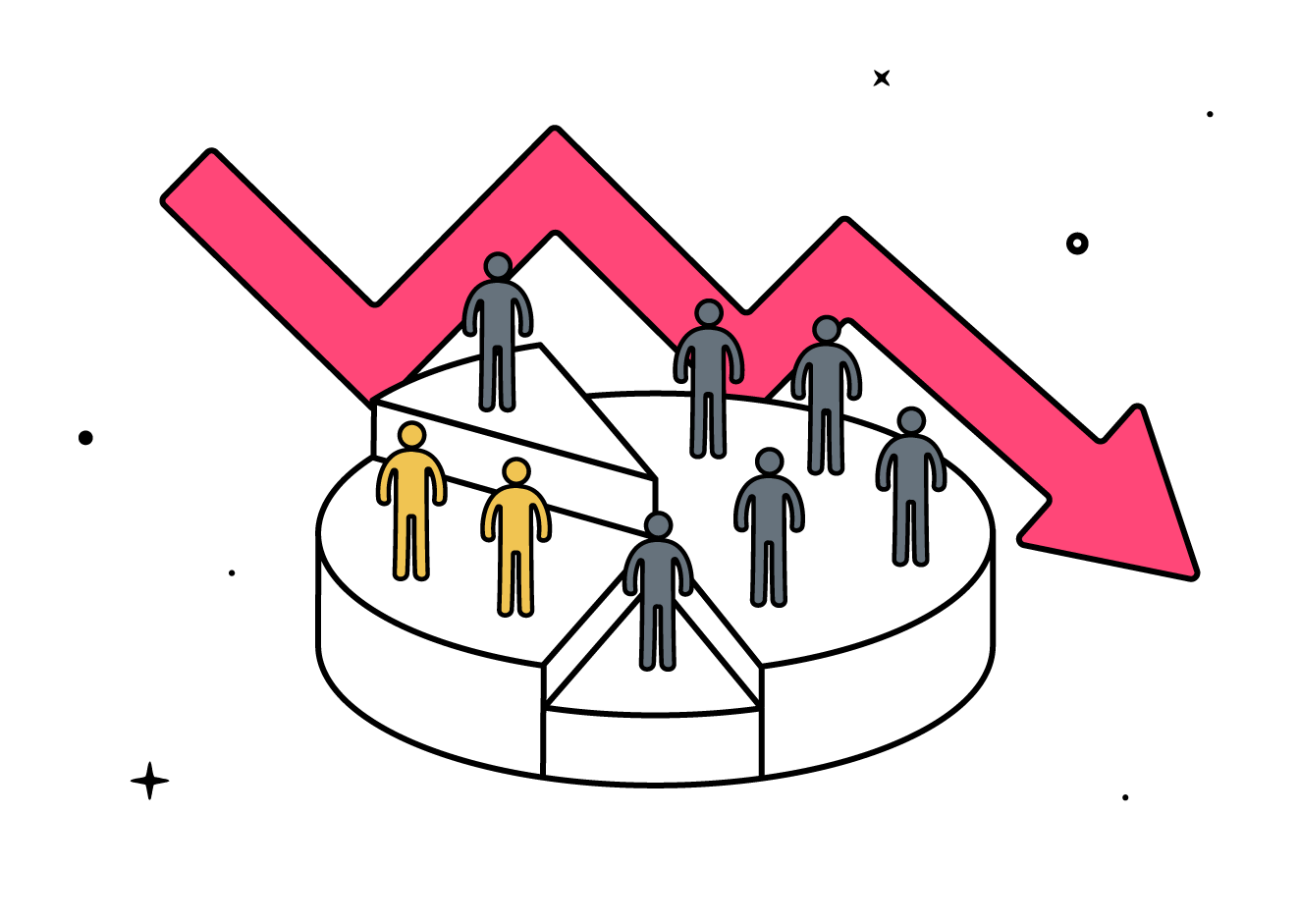
And no, you’re not imagining it. According to the latest study by SparkToro (with data from Similarweb), in the first four months of 2026, 68.01% of Google searches ended without anyone clicking on any result — a notable jump from 60.45% in 2024, the largest increase in two years measured by SparkToro so far. When an AI Overview appears — that summary the AI places above the usual results — the CTR of the first organic result can plummet by more than 60%, according to Ahrefs measurements cited in SparkToro’s own study.
Translated: you write the article, Google indexes it, you might even rank well… and the AI tells the user before they reach your website. Google keeps the visit. You keep the hours of work.
This is exactly what Asier Lozano (Eventbrite) and Ismael García (Civitatis) discuss with Ignacio Arriaga in the episode “AI is taking our traffic (and no one knows what to do)” of Retromarketing, the Acumbamail podcast. Two companies that literally live off organic traffic, sitting down to candidly share how they’re readjusting their strategies now that the search engine is no longer entirely reliable.
And before you think “okay, but email is also saturated, won’t the same happen with opens as with clicks?”: it’s true that it’s increasingly difficult to stand out in a crowded inbox. But there’s a fundamental difference. Whether your email is opened or not depends on your subject line, your sender, and your deliverability best practices — variables you control and can improve. Whether your article is summarized by an AI before someone reaches your website depends on a third-party algorithm that can change its criteria without warning you. Email saturation is combated with better practices; zero-click saturation is not combated, it’s circumvented.
Note that it doesn’t hit everyone equally. Ahrefs has measured in which searches an AI Overview appears more: in health or science, it’s around 43-44%, while in shopping or e-commerce, it barely reaches 3% (Google realized that its summaries don’t sell anything there, and withdrew). So if your content consists of guides, tutorials, or typical “what is X,” you’re right in the highest-risk zone. Hence comes a term you’re going to start reading everywhere: GEO (Generative Engine Optimization), the cousin of SEO that no longer just seeks to rank, but to be the source the AI chooses to cite when responding. The joke is that, even if you succeed, that citation doesn’t always bring a click behind it.
This is where the kitchen analogy really starts to make sense. The blog is the menu: the real work, what you’ve lovingly cooked. But a menu that no one serves doesn’t feed anyone. The newsletter is the waiter that does reach the table, no matter what happens in the kitchen next door.
The fundamental difference is simple, though we constantly forget it: search and social traffic live at the mercy of an algorithm you don’t control and that can change its mood tomorrow. A subscriber list, on the other hand, is yours. No one decides if your email arrives except you (well, you and your good deliverability practices). No AI is going to summarize the newsletter before your reader opens it because it’s already there, waiting in their inbox.
And this isn’t just about control, it’s about numbers. Here’s the picture when you compare channels by profitability:
| Channel | Average ROI (revenue per € invested) |
|---|---|
| Email marketing | €36 – €42 |
| Content marketing (without own distribution) | ~€5 |
| Social media ads | €2 – €5 |
| Google Ads (paid search) | ~€2 (can reach €8 in highly optimized search network campaigns) |
(Aggregated data from Litmus, Forbes, and Nutshell benchmarks, 2025-2026. Figures vary by sector, but the gap between email and the rest repeats in all studies.)
Email marketing has been the most profitable digital marketing channel for years, and it’s no coincidence: it’s the only one that doesn’t pay a toll to any intermediary. With AI eating up the free click from the search engine, that independence is now more valuable than ever.
This isn’t theory: it’s already happening to real brands
In Retromarketing itself, there are examples confirming it from within. Daniel Tallón, CMO of TaxDown, shares in “Competing with the Tax Agency with campaigns featuring Pedrerol and Bustamante” how they’ve had to build a direct relationship with their audience to compete with a rival — the Tax Agency, no less — that offers exactly the same thing for free and with much more visibility muscle. And in “Why ‘old-school’ marketing is making a comeback”, Ismael García (Civitatis) talks about how those more “traditional” strategies of direct connection with the customer are making a strong return, just when relying solely on organic traffic has become a bit of a gamble.
But the case that best sums up the entire article is that of Pablo Grueso. He scaled and sold TecnoFor (15x in eleven years) and is now at the helm of Shellment, but if you follow him, it’s mainly for his weekly newsletter, Building in Public, which he writes every Sunday without fail. In “From call center to selling the company: how he did it” he shares that, of all the channels he’s been through in his career, none has given him a return like that newsletter: it’s what generates the most trust with the least sustained effort. He doesn’t invest in advertising to achieve it, nor does he depend on an algorithm deciding to show it to anyone. He just needs people to keep opening that email every Sunday.
The pattern repeats over and over: the brands that are best weathering the zero-click storm aren’t the ones writing the most, they’re the ones that already had their own channel set up to distribute that content before it was needed.
How to give a blog a waiter
Here, you don’t have to choose between blog or newsletter; the trick is to connect them. With Acumbamail, this translates into three very specific things:
Automate the sending of each new article. With RSS-based automations, as soon as you publish on the blog, your subscribers receive it in their inbox without you having to set up the campaign manually.
Segment based on what they’ve already read. It’s not the same to write to someone who hasn’t opened anything in a year as to someone who reads everything you publish: segmentation lets you treat them differently and recover those who are cooling off.
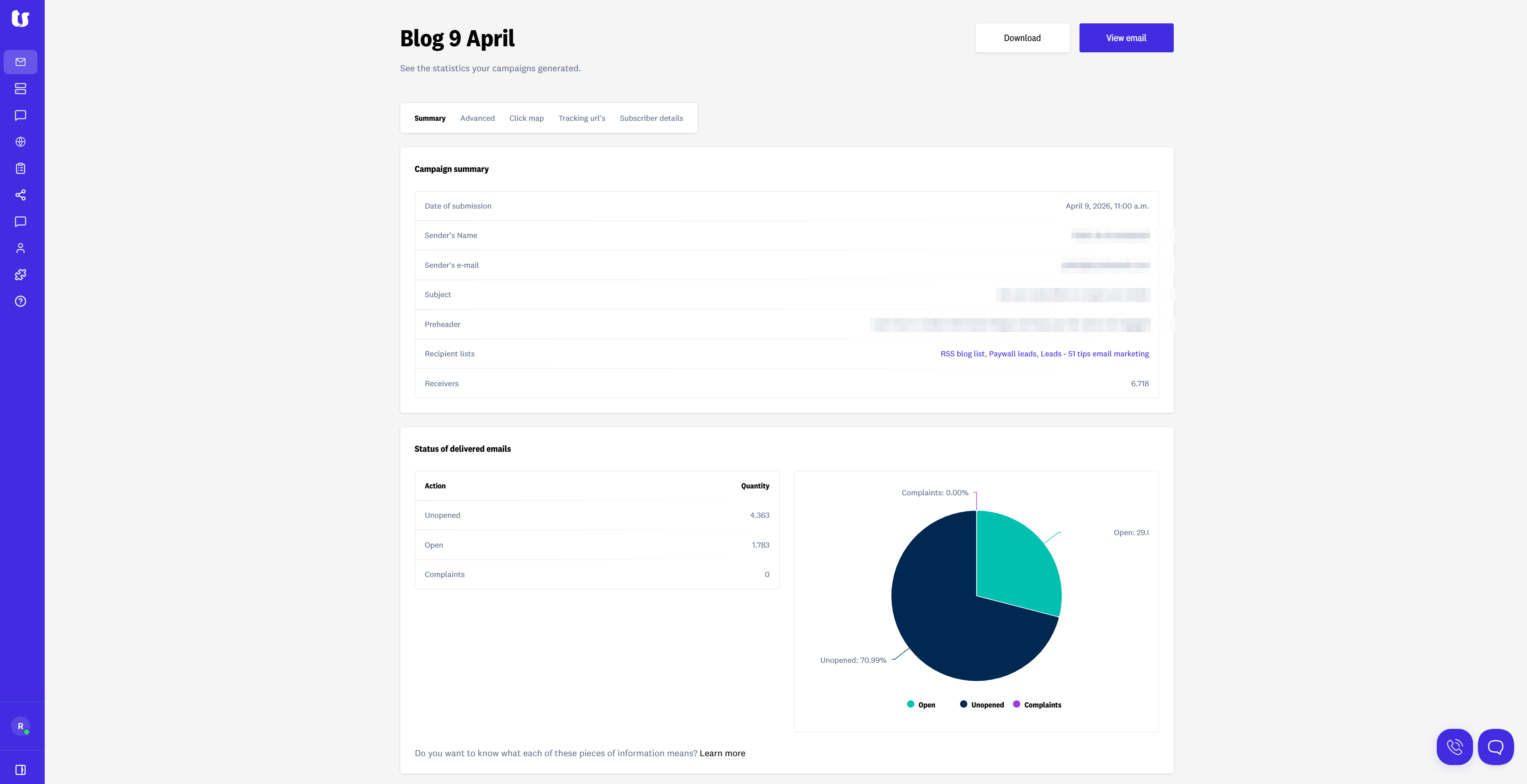
Measure which content truly converts. Search Console impressions count less and less for real business; here you can see which articles generate clicks, responses, and conversions within your own list.
How to start today (without setting up a six-month project)
You don’t need to overhaul your content strategy from top to bottom. This is enough to get started:
- Audit which articles have traffic but zero conversion to subscriber. Cross-reference Google Analytics with your contact list: if a post brings visits but doesn’t capture a single email, there’s a leak of lost waiters.
- Set up the RSS automation before writing the next article. Don’t wait to accumulate 20 posts without distributing; let the first one you publish already go out by email.
- Review the blog’s subscription form. If it’s hidden in the footer or only appears in a pop-up that people close without looking, that’s the first crack to seal.
- Segment by behavior, not just by sign-up date. Someone who hasn’t opened anything in months needs a different message than someone who always reads you; treating them the same is the quickest way to lose both.
Four quick questions before you keep reading blogs about this
Does having a newsletter mean abandoning SEO? Not at all, they go hand in hand. SEO (and now GEO) still brings you new people who didn’t know you; the newsletter is what turns that one-day visit into a relationship that no longer depends on them searching for you again.
What if my subscriber list is still small? It’s the best time to start taking it seriously: the sooner you connect blog and newsletter, the less content gets left behind without distributing.
How often should I send the newsletter with my articles? It depends on the pace at which you publish, but what really matters isn’t the exact frequency; it’s that it’s automatic. If it depends on someone remembering to set it up manually, sooner or later a Sunday will slip by without sending.
Blog Day shouldn’t be an excuse to brag about how much you’ve published this year. It should be the day you ask yourself how much of all that is truly reaching someone. If the answer makes you a bit uncomfortable, maybe the problem was never the quality of the menu, but that you’ve been without a waiter for a while.
And setting up that waiter doesn’t have to be a headache. With Acumbamail you can configure your newsletter sending so that each blog article reaches only your subscribers’ inbox as soon as you hit publish, without having to remember to set up the campaign manually or whether Google or an AI decides to gift you the click that day. You set it up once, and from there, each publication distributes itself.
So if you’ve made it this far, it’s because the hard part — the content — is already solved. The only thing left to decide is whether you’re going to keep leaving its fate in the hands of an algorithm or if you’re finally going to give it a waiter.
And if you want to set up your own automatic newsletter sending, you can start directly here.
Enjoy your meal!

AI-generated visual with Magnific as part of the creative content development.