Hyper-personalization with a Human Touch: How to Anticipate What Your Audience Really Needs
 Lucía Pérez · 06 May, 2026 · Email Marketing: First Steps · 7 min
There is a problem that very few want to admit. Every day, more than 376 billion emails are sent worldwide. And every day, millions of people open their inbox, scan the subject lines in split seconds, and delete most of what they receive without reading.
It’s not a problem with the channel. Email remains the communication medium with the highest return on investment.
The problem is different: brands are confusing access with attention.
Having someone’s email doesn’t necessarily mean having their interest. Yet many businesses keep sending more and more, hoping that frequency will make up for the lack of relevance.
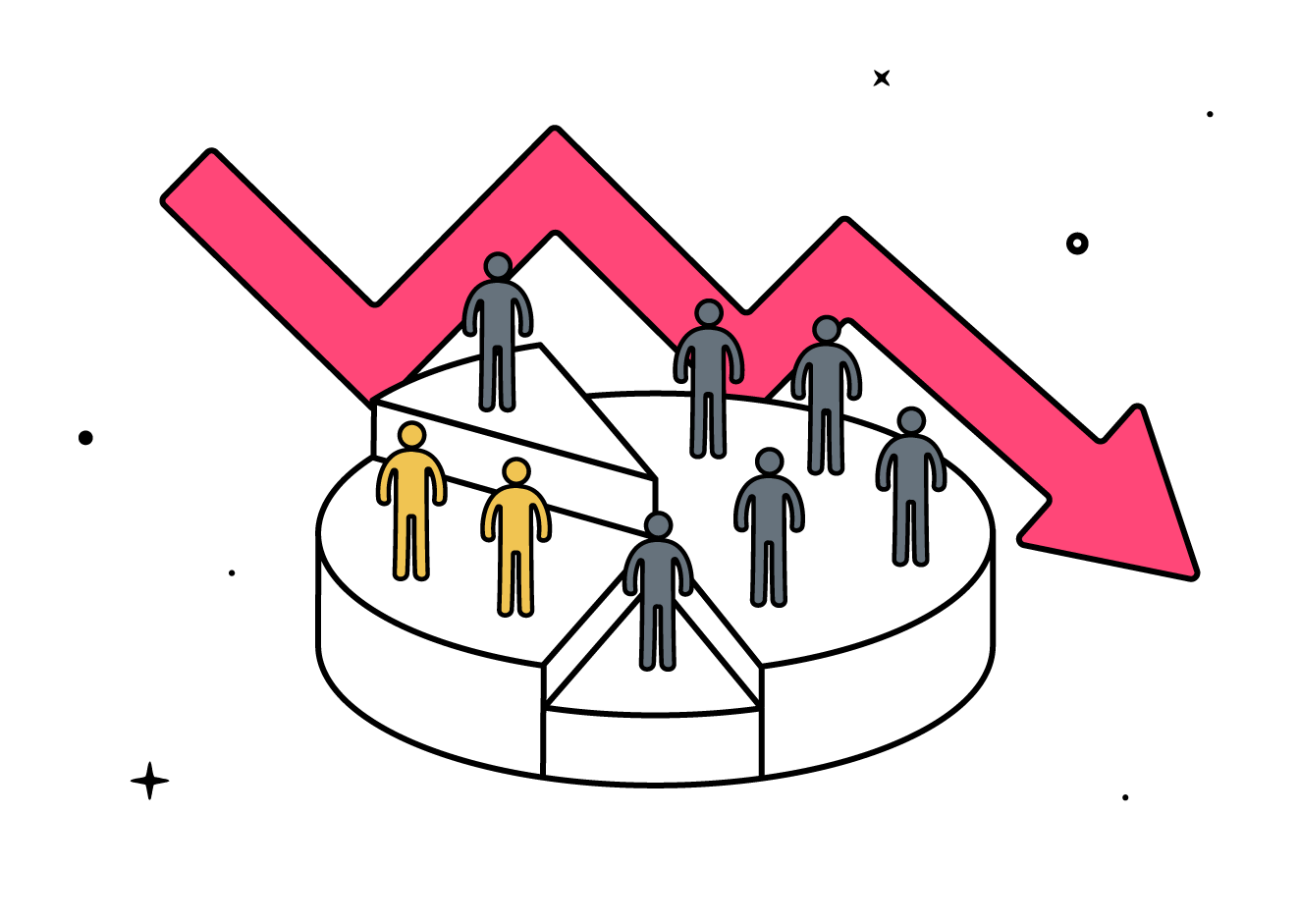
The result is predictable: according to a report by ZeroBounce, 44% of people unsubscribe from a mailing list precisely because of this, for receiving too many emails.
The irony is that automation tools have amplified the problem. It has never been easier to schedule a sequence of ten emails in an afternoon. But technical ease does not replace strategic judgment. Automating without considering the recipient is sending noise on an industrial scale.
The solution is not to send less or more. It’s to send better. And that starts with understanding what each person on your list needs before they even know it themselves.
From Personalization to Hyper-personalization: What Exactly Changes
The “hello, [name]” is no longer enough
For years, personalizing an email meant including the subscriber’s name in the subject line. “Hello, Maria” was the big breakthrough. And it worked because the bar was low and the novelty did the job.
That bar has risen. And a lot.
Today’s subscribers receive dozens of personalized emails with their name every week. They no longer perceive it as special attention but as the minimum expected. A subject line with their name tells them nothing about whether the content inside will be useful to them.
In fact, a poorly segmented email with the correct name can be more frustrating than a generic one: it creates an expectation of relevance that is not met. The feeling is like someone calling you by your name but talking about something that doesn’t matter to you at all.
What Does It Really Mean to Personalize?
Hyper-personalization goes far beyond the dynamic text field. It involves adapting the content, the timing of the send, and the tone of the message according to what the subscriber’s actual behavior reveals about their needs.
It’s not about knowing their name. It’s about knowing:
- What they bought last week
- What emails they’ve opened in the last month
- What time of day they usually interact
- What categories they’ve visited without converting
- …
With that information, an email stops being a brand communication and becomes something akin to a recommendation from someone who knows you well.
The impact is measurable. According to Campaign Monitor, well-implemented personalization can increase open rates by 26%.
The difference between personalization and hyper-personalization is essentially the difference between using someone’s name and understanding what that person needs before they ask you.
What Data Alone Can’t Do
Data tells you what a subscriber has done. It doesn’t tell you why they did it, what they feel, or what they need to hear right now.
An algorithm can detect that someone hasn’t opened your emails for three weeks and automatically trigger a reactivation sequence. But it doesn’t know if that person is on vacation, has just experienced a difficult time, or is simply in a phase where your product is not their priority. The pattern is the same. The context is completely different.
This is where technology alone falls short.
Automation without judgment produces efficient but cold emails. They can be perfectly segmented, arrive at the statistically optimal time, and have a subject line that surpasses all A/B tests. And yet, they don’t connect.
Because connecting requires more than optimization: it requires understanding.
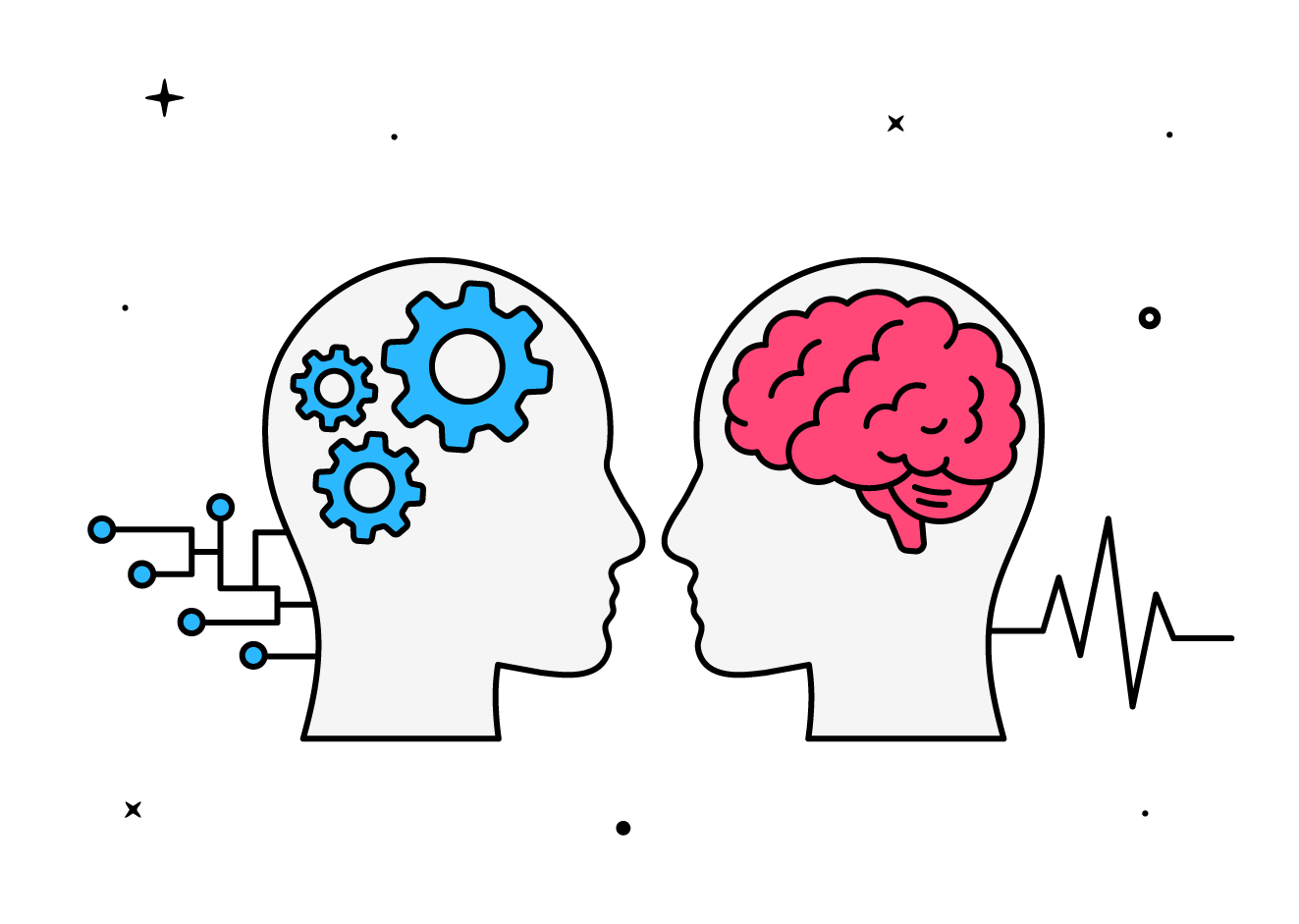
That understanding is provided by the human layer. The person who reviews the results of a campaign and asks not only what went wrong but why.
The team that adjusts the tone of a sequence because the industry’s context has changed. Who decides that this month it’s not about promotion but about valuable content, even if the data doesn’t explicitly indicate it.
AI and automation are extraordinary tools for scaling decisions. But the decisions that matter are still human.
This also applies to the relationship between a brand and the platform it uses to communicate. It’s not enough to have access to advanced segmentation or automation features. It also matters to have people who help interpret them, set them up correctly from the start, and leverage them when the results are not as expected.
If you want to delve into how email can be a channel for genuine connection beyond technology, this article on emotional campaigns and storytelling is sure to help you.
How to Anticipate What Your Audience Needs: 4 Concrete Tactics
Hyper-personalization is not an abstract concept. It’s a series of concrete decisions about how you use the information you already have to send the right message to the right person at the right time. These are the tactics that have the most impact.
Behavioral Segmentation, Not Demographic
Knowing that a subscriber is 35 years old and lives in Madrid tells you little. Knowing that they have opened your last four emails, always clicked on productivity content, and never interacted with discount promotions tells you much more.
Demographic segmentation is a starting point. Behavioral segmentation is where real personalization begins.
Who purchased in the last 30 days? Who hasn’t opened anything for two months? Who always opens but never clicks?
Each of these groups needs a different message, and treating them the same is wasting the opportunity you have.
To build these segments, you need first-party data, the kind your audience generates by interacting with your campaigns.
Here’s a complete guide to segmentation in email marketing.
Dynamic Content: One Email, Multiple Versions
Dynamic content allows a single email to display different content blocks depending on the profile or behavior of each recipient. A clothing store can send a single campaign where each subscriber sees products from the category they have visited the most. An online academy can show different courses based on each student’s declared level.
The result is an email that seems designed specifically for the recipient, without the need to create hundreds of versions manually. Technology does the distribution work; you do the work of designing the blocks and defining the rules.
At Acumbamail, we offer this possibility in our templates. Check it out.
Automations with Branching Logic
A basic automation sends the same email to everyone who meets a condition. An automation with branching logic adapts the journey of each subscriber based on how they respond to each message.
If someone opens the first email in your welcome sequence and clicks on the link about product A, the next email they receive discusses product A in depth. If another subscriber ignores that first email, they receive a reminder with a different subject before continuing. The flow adapts instead of advancing linearly regardless of what happens.
These types of automations require a bit more initial planning, but the impact on perceived relevance is considerable.
Here’s a practical guide on how to create welcome and re-engagement flows that can serve as a starting point.
The Feedback Loop: Learning from Each Campaign
Hyper-personalization is not a state that is reached but a process that is refined.
Each campaign generates data that allows you to adjust the next one: which subjects work best with which segments, what time each group opens, what type of content generates more clicks, and which causes more unsubscribes.
Regularly reviewing these metrics and translating them into concrete adjustments is what separates a strategy that improves over time from one that repeats without evolving. Data doesn’t speak for itself, but if you know how to listen, it tells you exactly where the opportunities are.
The Tool Matters, but the Support Even More
Choosing an email marketing platform is a decision that conditions everything else. If the tool doesn’t allow you to segment by behavior, create dynamic content, or set up automations with branches, the strategy we’ve described in the previous sections is simply not possible.
But there’s something that is rarely mentioned when talking about tools: technology is not used alone.
What Should a Platform Have to Hyper-personalize Well?
A platform designed for hyper-personalization should allow you, at a minimum, to do the following:
- Segment your list by behavior and interaction data
- Create automated flows with conditions and branches
- Use dynamic content that adapts the message according to the recipient’s profile
- And access detailed reports that help you understand what’s working and what’s not.
Without these features, personalization remains superficial: the name in the subject and little more.
Why Human Support is Part of the Strategy
Here’s the point that few brands mention and that, in practice, makes a huge difference, especially for SMEs and businesses that don’t have a dedicated marketing team.
Having access to a platform with all the features in the world doesn’t help much if you don’t know how to set up an automation flow, if you don’t understand why your open rate has dropped, or if you need help structuring your first segmentation.
In those moments, what you need is not a generic tutorial or a chatbot: you need a person who understands your case and helps you solve it.
That support is, in itself, a form of personalization. A platform that knows you, speaks your language, and is available when you need it not only saves you time: it helps you make better decisions and get more out of each campaign.
Acumbamail combines the necessary features to implement a real hyper-personalization strategy (advanced segmentation, automations, dynamic content) with a Spanish-speaking support team that accompanies each client when needed.
It’s not just a tool: it’s the support of real people who understand what you’re building.
And that, in a market where everyone talks about AI and automation, is still hard to find.
Conclusion
Hyper-personalization is not a passing trend or a feature reserved for large companies with data teams. It’s the logical response to a real problem: subscribers receive too much and pay attention to very little. The brands that manage to anticipate what their audience needs, before they even ask, are the ones that will stand out in an increasingly competitive inbox.
But there’s an easy trap to fall into: thinking that hyper-personalizing is mostly a technological issue. Data, algorithms, and automations are indispensable instruments. However, it’s people who decide what to ask, how to interpret the answers, and what to do with what they learn.
Technology scales decisions. People make them.
So, if you have to take away one idea from this article, let it be this: don’t just look for a tool with good features. Look for one that also supports you when you need it. The difference between sending emails and building a communication strategy that truly works often lies in that detail.
If you want to start applying what we’ve seen here, you can try Acumbamail for free and see how the combination of technology and human support can transform the way you communicate with your audience.