10 false myths about graphic design
 Rocío Cortázar · 12 Feb, 2026 · Diseño Gráfico · 5 min

Professions with a high creative load, such as graphic design, are often surrounded by many myths, misunderstandings, and false beliefs. In this post, we will debunk the most common myths about graphic design so that you have a realistic view of the designer’s profession.
1. Graphic design is easy
There is a widespread belief that just by having access to an image editing program, such as Photoshop or Canva, you can call yourself a graphic designer. But this couldn’t be further from the truth. Graphic design requires technical skills, specific knowledge, such as color theory, typography, composition, etc., and years of experience to create effective and visually appealing pieces.

2. Anyone can be a graphic designer
This goes hand in hand with the previous myth that anyone who uses design software can call themselves a designer.
Surely, if you work in graphic design, you’ve heard something like “my nephew is very handy and does everything I need with that FoToChOp thing” 🥲💔
Although programs and knowing how to use them are part of the job and greatly facilitate it, designers do not just limit themselves to using the tool. A large part of our work is knowing how to solve communication problems in a visual and effective way that also conveys the image the brand wants to communicate, and to do this, it is important to have proper training.
3. Graphic design is just about making things look pretty
Obviously, the result of a graphic designer’s work must be visually pleasing, that’s undeniable. It must catch the viewer’s attention to spark their interest in one way or another. But that is not the only goal of the designer; if we create something that is only aesthetically pleasing, without any intentionality behind it, the most likely outcome will be something boring and ineffective.
4. Graphic design is just about making logos
Logos are one of the most important graphic resources for any company. They are the emblem of the company and what people will identify and associate with your brand values and everything you offer.
That said, although they are an important part of this profession, it does not mean that graphic design is only about creating logos. Graphic design encompasses much more: it includes typography, colors, compositions, visual hierarchy, and how all these elements work together to communicate a message.
5. Graphic designers don’t need feedback
There is a misconception that designers are artists who work alone; personally, I think this is because many professionals work as freelancers, which often projects that “lone wolf” image. But in reality, to achieve the best result, it’s ideal to generate a collaborative process with constant feedback, both from the client and the designer, to reach the best possible final result.

6. Graphic design doesn’t need planning
Graphic design is not something that can be done improvisationally or without any planning. A good designer ALWAYS conducts a briefing session before starting a project, meaning they will interview their client to gather all the necessary information about the company, objectives, audience… and then continue researching and planning around all that obtained information to fully understand the situation and needs of the assignment. Once all those points are clear, they can begin sketching and ideating different concepts.
This initial phase is fundamental and will greatly influence the subsequent steps and the success of the final result.
7. Graphic design is only digital
It’s undeniable that digital graphic design has grown exponentially since the current landscape emerged, but traditional media still hold significant weight and are an important part of the graphic arts industry. We’re talking about print media such as posters, magazines, books, packaging, signage, and even experiences in physical spaces, such as trade show booths, among others.
Graphic design manifests in any visual medium, so the possibilities are practically endless.
8. The graphic designer only executes the client’s ideas
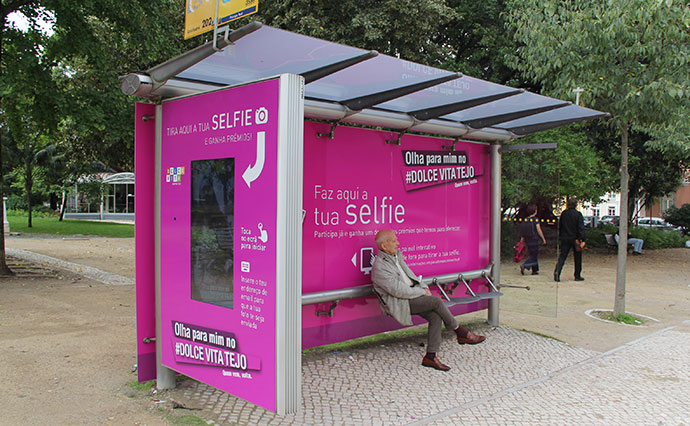
Some believe that graphic designers are only there to execute exactly what the client asks for, without contributing their creativity or perspective.
As I mentioned, it’s important to listen to the client’s point of view and the information they can provide to have a good context and starting point. However, the graphic designer is the one who has been trained to be a qualified professional with all the necessary knowledge to find the best visual solution to the client’s problem.
Clearly, this does not imply categorically ignoring the client, because they know their business best. A balance must be found where both parties actively listen to what the other has to say and work together to achieve the best result.
The client must trust the designer, and rather than telling them what to do, the key is to provide the correct information so that they know how to approach the work.
9. Logos must include what the company does
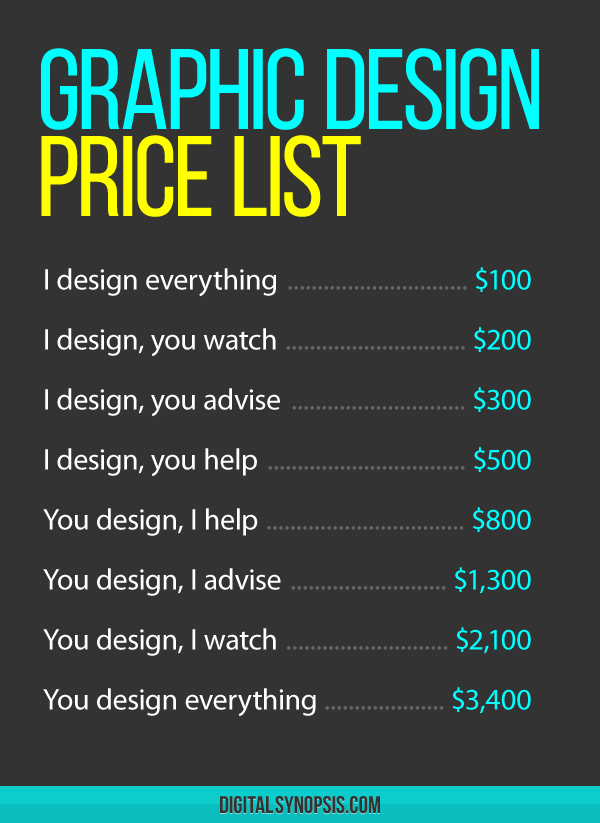
There is a fairly widespread belief that when designing a logo, it is essential to have a literal visual representation of what the company does.
And this is not necessarily always the most accurate approach. It’s one way to approach logo design to obtain different concepts that might work, but it doesn’t have to be the best option. A logo doesn’t always need to explicitly show the product or service; instead, it should be a symbol that represents the brand’s identity and values.
10. Graphic design can fix a bad idea
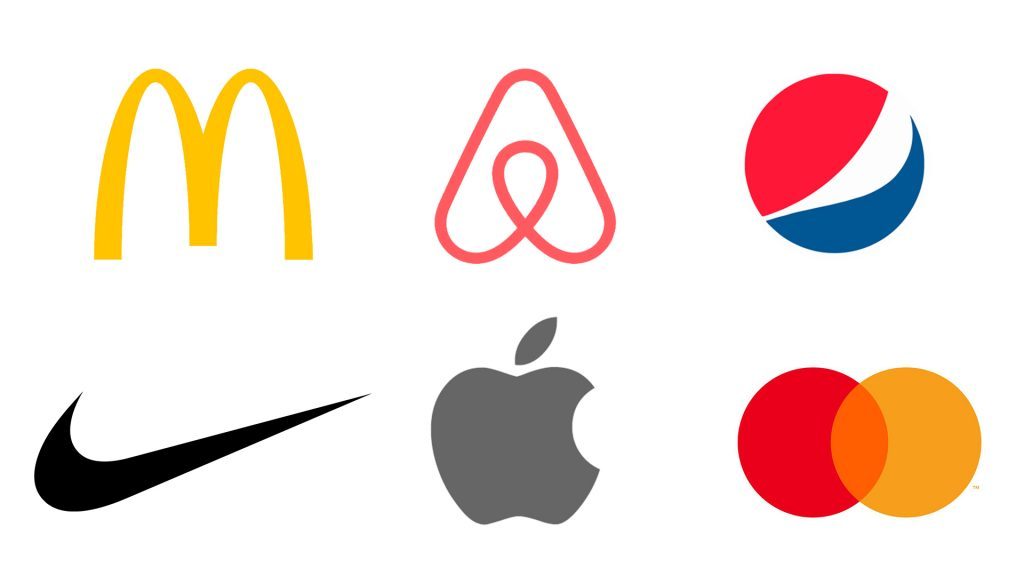
Many people believe that good graphic design can sell a bad idea or product.
And while definitely good graphic design will greatly help improve the presentation of a concept, it’s very challenging to compensate for an idea or strategy that is poorly conceived from the ground up. We can make an analogy with a pyramid; if the base is not solid, the rest will collapse under its own weight…
Have you heard or believed any of these myths about graphic design? It’s important to highlight these kinds of thoughts because they often underestimate the work and skills needed to be a successful graphic designer. Graphic design is much more than an aesthetic matter; it’s a powerful tool for communication and marketing.